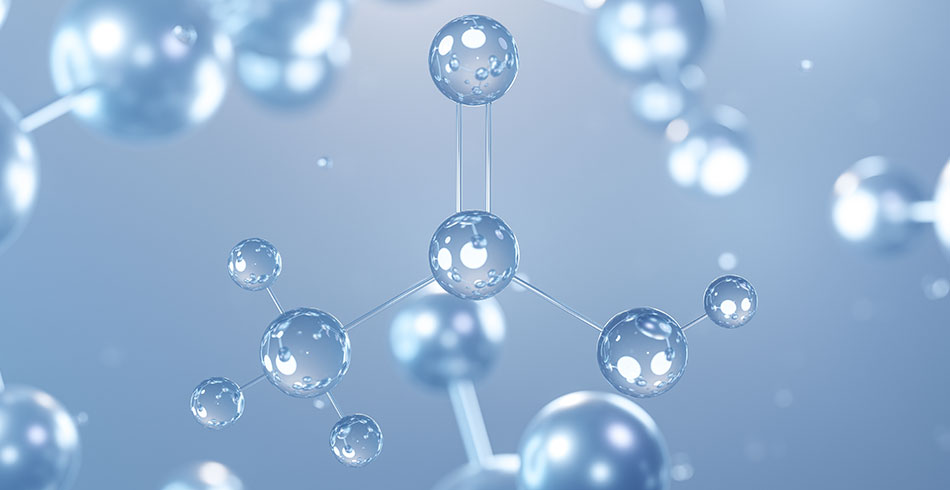
A UK-based startup co-founded by an Australian researcher is pioneering a world-first catalytic process that converts captured CO₂ and renewable hydrogen directly into acetic acid, offering a carbon-negative alternative to fossil-based production.
Co-founded by Monash University PhD graduate Dr Rajan Lakshman, COOloop has secured £150,000 in seed funding from Carbon13 Ventures to commercialise technology developed at Monash.
Related article: New CCS method permanently locks CO₂ into volcanic rocks
Every year, the world produces around 20 million tonnes of acetic acid, a key chemical used in plastics, textiles, paints, adhesives and food products, almost entirely from fossil fuels.
COOloop’s world-first Metal-Organic Framework (MOF) catalyst enables direct CO₂ conversion, potentially eliminating millions of tonnes of carbon emissions while remaining cost-and scale-competitive with traditional methods.
The research behind COOloop’s technology was developed by Professor Akshat Tanksale and his team at Monash University, supported by the Faculty of Engineering’s Research Accelerator Award in 2019.
COOloop co-founder and CEO Ike Omambala said, “At COOloop, we’re turning carbon from a liability into a valuable resource. Partnering with Professor Akshat Tanksale’s group at Monash allows us to bring cutting-edge, world-first catalysis from the lab into industrial reality. This collaboration shows how science and entrepreneurship can build a circular carbon economy and accelerate the transition to net-zero chemicals.”
COOloop will continue to collaborate with Monash University to make the process economically viable and industrially scalable.
Professor Tanksale highlighted the broader potential of the technology.
“I am thrilled to see our research translated into practice by COOloop. Negative carbon technologies are essential for achieving net-zero emissions,” he said.
Related article: Chemical bonds created on Australia’s carbon capture journey
“Starting with acetic acid, COOloop’s world-first technology could be a platform for other chemical applications, and our team will continue working with the company to demonstrate feasibility at scale.”