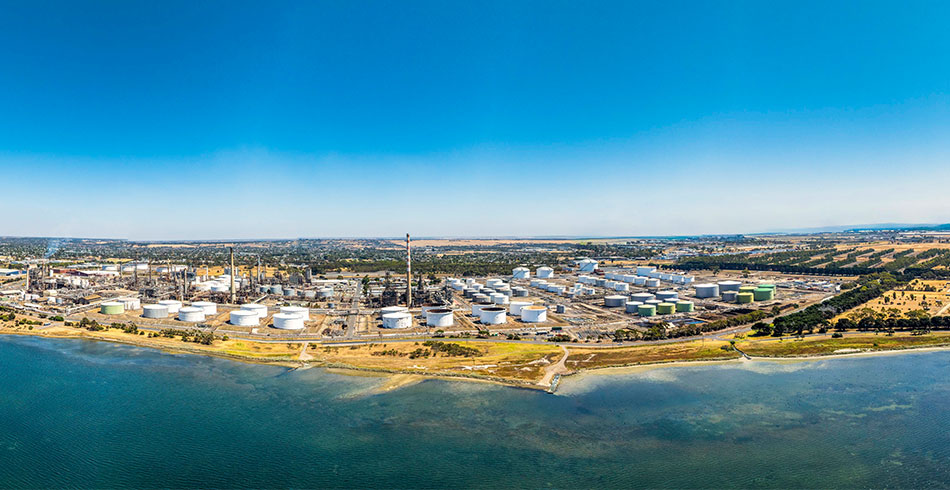
Viva Energy’s Geelong refinery has received international certification for the production of co-processed renewable diesel.
The international certification also includes production of recycled polypropylene (rPP) and bio-polypropylene (bioPP) products, which are critical components in the growing market for recycled food-grade plastic.
These products can all be manufactured at the Geelong refinery using sustainable feedstocks, including used cooking oil and soft plastics pyrolysis oil made from waste plastic.
Related article: Viva Energy and Origin to collaborate on bio-LPG production
The ISCC+ (International Sustainability & Carbon Certification) recognition supports Viva Energy’s circular, bio-based and renewable material processing, which helps build customer trust and market transparency, resulting in greater confidence in the sustainability of these products.
The certification for renewable diesel is an important breakthrough for Viva Energy, positioning the Geelong refinery to become an early manufacturer of low carbon liquid fuels.
Co-processed renewable diesel is a “drop-in” product that is manufactured by processing a biogenic oil such as used cooking oil alongside traditional crude oil. Co-processing at an existing refinery is a quicker and more cost-effective way of producing these fuels than through the construction of dedicated plants.
The co-processed renewable diesel produced will allow diesel users such as heavy vehicle fleet operators to reduce their carbon footprint without having to purchase different technology or modify existing vehicles.
Viva Energy chief strategy officer Lachlan Pfeiffer said the ISCC+ certification had the potential to open new fuel markets as businesses hunt for ways to reduce Scope 1 emissions in a cost-effective way.
“Our goal is to create a variety of options that support our customers’ decarbonisation journeys,” he said.
Related article: Viva Energy’s hydrogen refuelling station opens in Geelong
“We have our Australian-first new energies service station in Geelong offering renewable hydrogen refuelling and EV charging for heavy vehciles and now we are looking to turn waste oil into valuable, lower carbon fuels.
“All of these initiatives will help to contribute to Australia’s energy transition and the country’s fuel security. That is why having local refining is so important for the country.
“We play an existing role in supporting our energy security through traditional fuel manufacturing and we have the technology, skills and connection to existing supply chains to cost-effectively develop these lower carbon options in support of the energy transition.”