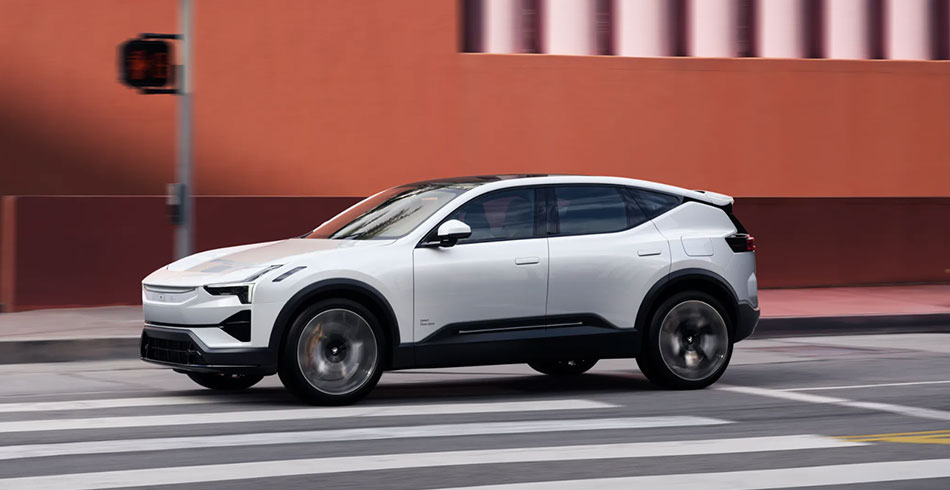
Electric vehicle (EV) sales have increased by 40% in the first quarter of 2026, compared with the same period last year for two leading brands, according to new data released by the Electric Vehicle Council (EVC).
Tesla and Polestar sold a combined 7,725 vehicles in the first quarter of 2026, up from 5,549 in the same period in 2025.
In March 2026 alone, Polestar and Tesla sold a combined 3,645 new vehicles with March sales growing 21.1% year-on-year and up 6.6% from the previous month, February 2026.
Secondhand EV sales in March for Pickles were up 60% on February and EV searches on the Pickles website jumped 163% month‑on‑month.
EVC CEO Julie Delvecchio said interest in new and secondhand EVs was growing as a result of skyrocketing fuel prices.
“With fuel prices rising, every EV on the road is doing something simple but powerful—taking pressure off fuel supply for the people who need it most.
Related article: British engineer uses discarded vapes to build EV battery
“Volatile global oil markets are changing the conversation. Australians aren’t asking whether EVs are the future anymore. They’re asking which one they can get their hands on, and when.
“What we’re seeing is a tipping point. The fuel crisis hasn’t created interest in EVs—it’s accelerated a shift that was already underway. Our website saw almost 100,000 page views in the past month, up 71%, with 97% of visitors new to our site. The most visited page? ‘EVs available in Australia.’ Australians are ready—the industry needs to meet them there.”
Fintech lender MONEYME said it had recorded its largest surge in electric vehicle (EV) financing demand on record, with applications for its Autopay loans rising 90% month-on-month from February to March 2026, and fuel-based vehicles demand dropping 22%.
The surge builds on a sustained shift in consumer behaviour, with EV loan applications also up 270% year-on-year, as demand for hybrid vehicles also rises 44% year-on-year, while fuel vehicles declined 12% over the same period.
MONEYME CEO Clayton Howes said, “Australians are responding directly to fuel price volatility and supply uncertainty, and that is now visible in financing data. A 270% rise in EV applications over the past year, alongside declining fuel demand, signals a clear shift in how consumers are evaluating long-term vehicle costs.
“What is notable is the speed of change. A 90% increase in a single month indicates that external shocks, including fuel shortages and price spikes, are accelerating decisions that may otherwise have taken years.
Related article: Origin Australia’s largest EV subscription and fleet provider
“Access to finance is becoming a key enabler in this transition, as more Australians move to secure vehicles that reduce their exposure to fuel price risk and supply disruption.”
MONEYME’s latest lending data
Fully electric vehicles:
↑ 90% month-on-month (Feb–Mar 2026)
↑ 270% year-on-year (Mar 2025–Mar 2026)
Hybrid electric/petrol vehicles:
↑ 9% month-on-month (Feb–Mar 2026)
↑ 44% year-on-year (Mar 2025–Mar 2026)