More than 5,000 Aboriginal artefacts recovered before construction of transmission project EnergyConnect’s eastern section have been returned to Wiradjuri Country in New South Wales, with the discoveries providing valuable insights into Aboriginal occupation and cultural practices in the Riverina region.
The culturally significant artefacts, up to 3,000 years old, were identified during heritage surveys and archaeological investigations undertaken prior to project construction along the 540km alignment between Buronga and Wagga Wagga.
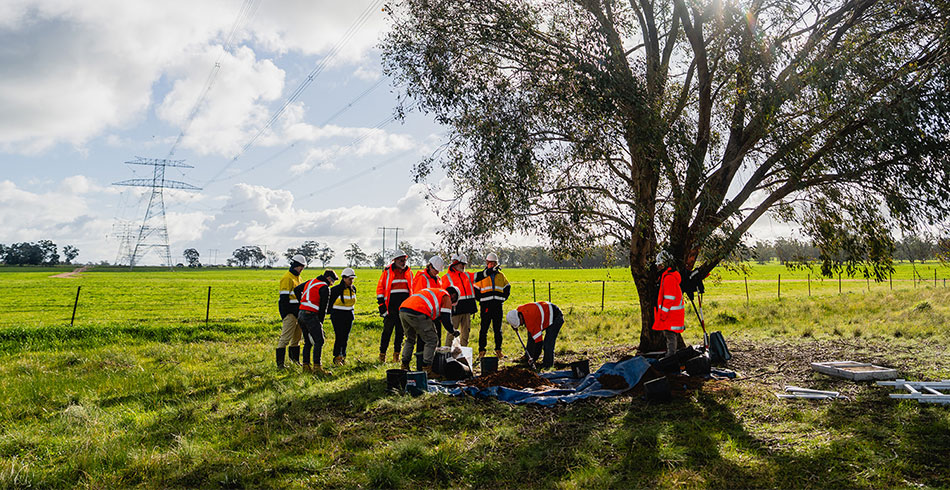
The artefacts, primarily stone tools and hearth-related material, were returned to Country by Registered Aboriginal Parties in repatriation and smoking ceremonies alongside Transgrid, its construction partner Elecnor Australia, and subcontractor Everick Heritage following project completion earlier this year.
Related article: REZ consortium destroys Aboriginal heritage rock shelter
Transgrid executive general manager of corporate affairs, stakeholder engagement, and environment Maryanne Graham said the repatriation ceremonies were the culmination of years of collaboration with Traditional Custodians across the EnergyConnect project.
“Returning these artefacts back to the land they came from is a meaningful way to conclude this stage of the project and honour our commitment to Traditional Custodians,” she said.
“Protecting cultural heritage and building respectful, long-term relationships with First Nations communities is a key part of how we deliver our projects.
“We’re proud to have worked alongside Traditional Custodians to ensure these artefacts could be returned to Country in a way that respects cultural protocols and traditions.”
Wiradjuri man Mark Saddler, who was involved in the repatriation, said the cultural ceremonies and reburial ensure the artefacts remain protected and connected to Country.
“Renewable energy is a great thing for this area, because we do need it. But we must ensure that whatever construction projects are going to come through, we protect our places,” he said.
“We have a responsibility to document and safeguard these artefacts, then return them to Country as close as where they came from, because our Elders left them there and that’s where they should go back to.
“Archaeologists are highly specialised in their field, but Wiradjuri people are extremely trained and specialised in what we know, and it’s important that we share that knowledge with people as much as we can.”
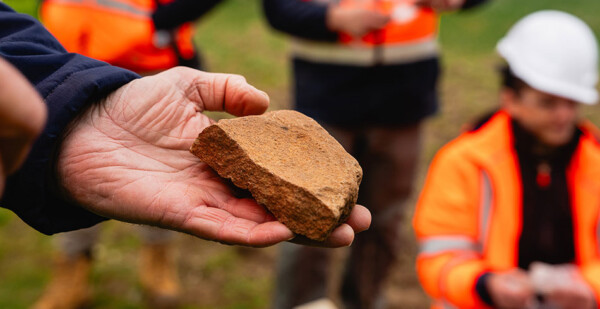
The cultural material recovered along the alignment was dominated by stone artefacts, with quartz accounting for more than 75% of the collection.
Archaeologists also identified silcrete, basalt, and other materials sourced from across the region, along with modified glass and porcelain that demonstrate the continuation and adaptation of traditional stone tool-making practices following European settlement.
Everick Heritage archaeologist Andrew Jenkins said the archaeological investigations had helped build a detailed picture of Aboriginal activity throughout the Riverina, which highlights the remarkable depth and continuity of First Nations history.
Related article: EnergyConnect completed after delays, cost blowouts
“Using carbon dating and sediment dating, we’ve confirmed that some of these archaeological sites are up to 3,000 years old,” he said.
“The artefacts provide valuable insights into how Aboriginal people lived and travelled throughout the Riverina, including how they sourced materials, produced stone tools, and used the landscape over thousands of years.”
With assistance from Everick Heritage, Transgrid is developing a digital showcase featuring some of the most significant artefacts recovered along the EnergyConnect alignment, documenting their journey from discovery through to repatriation and return to Country.