LMS Energy and SunPork Group have partnered to develop Australia’s first commercial-scale agricultural renewable natural gas facility.
Wasleys Renewable Natural Gas Facility will convert piggery effluent into pipeline-quality renewable natural gas, providing a sustainable, locally-produced energy source for South Australian gas users.
It’s the Australia’s first commercial-scale facility of its kind, generating enough renewable natural gas to meet the needs of an estimated 2,000 South Australian homes.
Related article: Biomethane enters gas grid in Australian first
While biogas production at piggeries isn’t new, the innovation lies in cleaning and upgrading the biogas to biomethane, then feeding the biomethane into the natural gas grid for everyday use.
Piggery effluent will be pumped directly from the piggery sheds into a large, purpose-built covered pond. The cover will capture all biogas released from the effluent, which will then be cleaned and upgraded to biomethane.
The biomethane will be fed into South Australia’s natural gas supply, ready for everyday use. Households will be able use this biomethane like conventional natural gas. It can power cooktops, water heaters, and gas fireplaces.
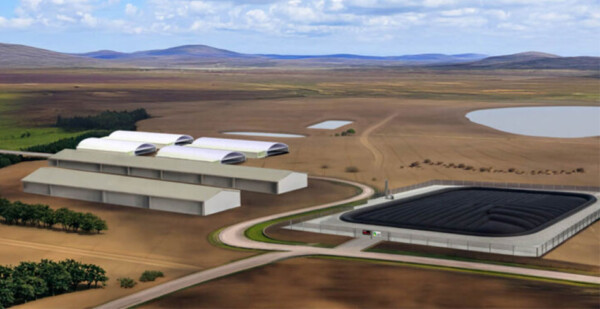
The project demonstrates circular economy principles in livestock effluent management, taking a typical biogas facility one step further and feeding the renewable natural gas into the conventional natural gas grid.
SunPork’s largest source of greenhouse gas emissions are its uncovered effluent ponds. By covering these ponds, SunPork prevents biogas from being released into the atmosphere.
The project will displace conventional natural gas, reducing reliance on fossil fuel resources, and providing residents of South Australia with an option for a renewable gas source.
Related article: Zinfra awarded bronze rating for Malabar Biomethane project
The Australian Renewable Energy Agency (ARENA) has announced $10 million in funding towards the $24.1 million project.
Construction of Wasleys Renewable Natural Gas Facility is expected to start in mid-2026 and will take around 12 months to complete.