Orica has made a Final Investment Decision (FID) to proceed with its Hunter Valley Hydrogen Hub, which is set to receive $432 million in funding under the Australian Government’s Hydrogen Headstart program.
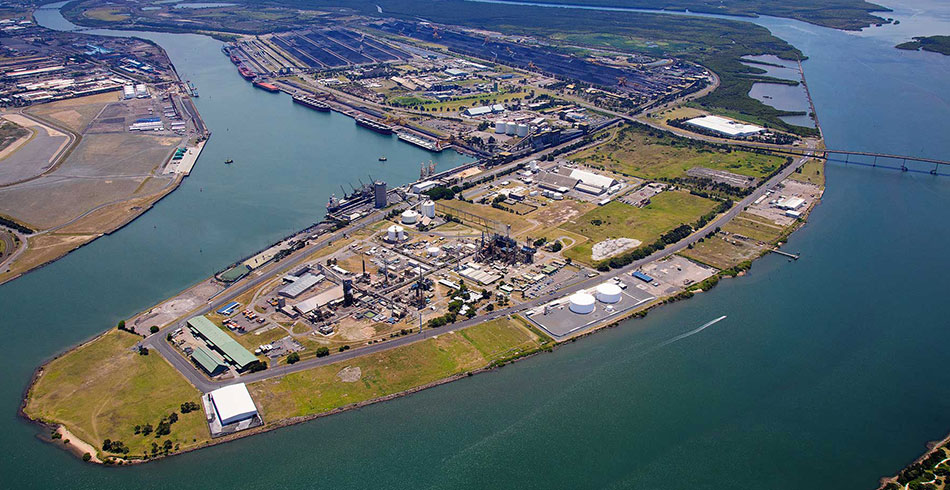
The Hunter Valley Hydrogen Hub (HVHH) will deliver a commercial-scale renewable hydrogen production facility integrated with Orica’s existing ammonia operations in the Newcastle industrial port precinct.
Related article: Aussie team solves green hydrogen bubble trouble
This hydrogen will replace gas feedstock in the production of ammonia at Orica’s Kooragang Island facility, reducing emissions from one of Australia’s most intensive industrial processes while helping to establish a domestic market for renewable hydrogen.
The project, which was successful under Round 1 of ARENA’s Hydrogen Headstart Program, will deploy 50MW of electrolyser capacity powered by renewable energy to produce around 4,700 tonnes of hydrogen each year.
This hydrogen will replace gas feedstock in the production of ammonia at Orica’s Kooragang Island facility, reducing emissions from one of Australia’s most intensive industrial processes while helping to establish a domestic market for renewable hydrogen.
ARENA CEO Darren Miller said Orica’s decision marked a critical step for large-scale hydrogen projects in Australia.
“This milestone is an important step in demonstrating industry commitment to renewable hydrogen, particularly as a pathway to decarbonise heavy industry and reduce emissions where alternatives are limited,” he said.
“Hydrogen is a complex, capital-intensive industry, but it represents a significant economic and decarbonisation opportunity for Australia.”
“This decision signals that renewable hydrogen production can be deployed at scale in Australia, shifting the conversation from concept to deployment, particularly for hard to abate sectors where it can make the biggest impact.”
Related article: Seven projects shortlisted in Hydrogen Headstart Program
Under the Hydrogen Headstart program, projects seeking to produce renewable hydrogen, or derivatives, apply for a production credit delivered over 10 years to bridge the commercial gap between the cost of producing renewable hydrogen and market prices.