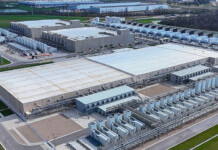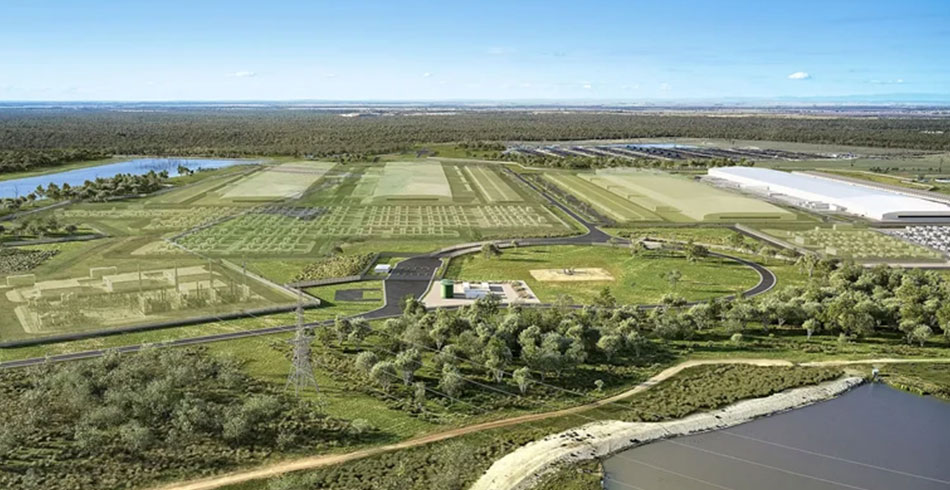
AI giant Anthropic has inked its first data centre lease agreement in Australia with Zerra for its Western Downs Digital Park in Queensland in what could become one of the world’s largest AI factories.
As the largest proposed data centre in Australia, the Western Downs Digital Park will be situated on agricultural land located 250km from Brisbane, and is expected to come online in 2027 if granted planning approval by the Western Downs Regional Council.
Related article: How will data centres impact Australia’s environment? The irony is, we need more data
Experts have warned that upon its completion, the facility could chew through an enormous 47GWh of power a day.
Climate Council CEO Amanda McKenzie said the data centre could use three times more power than the 1.4 million residents of Brisbane, pushing up expensive and harmful coal and gas generation, and adding an extra 6.6 million tonnes of climate pollution a year.
“That’s like putting more than two million extra cars on the roads,” McKenzie said.
“This is exactly why Australia needs clear national rules: Every new data centre in Australia must be required to bring enough new, additional clean energy to meet its demand.
“The rules must apply to projects already in the pipeline—or massive proposals like this one will slip through the cracks, leaving households and existing industries to compete with the world’s biggest tech companies for power. Modelling shows this could push up wholesale power prices by at least 13% in Queensland.
“Queenslanders are on the frontlines of climate change, facing some of the most significant, fastest-growing risks in the country as coal, oil and gas keep heating our atmosphere. Rising seas and storm surge alone could cost the state $214.5 billion by the end of the century. Yet the Queensland Government is choosing big tech and fossil fuel profits over its own community.”
Queensland Premier David Crisafulli has pushed back against the Commonwealth’s plan for renewables-backed data centres, saying the fact his stated owned much of its energy infrastructure meant it should be able to adopt a “technology-agnostic approach”.
Related article: Australia data centre firm reports rising water, energy use
“It shows because we own our assets, both our distribution and our generation, we are able to control a different mixture of energy right across the board, and that enables us to bring on new energy opportunities,” he said.