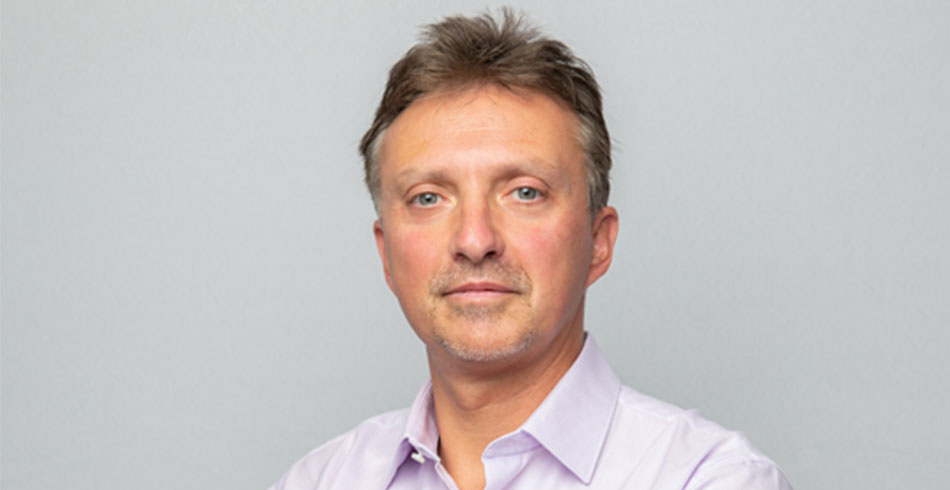
Marco Perona will join Eku Energy as its new CEO from February 2027, based in London.
Perona has more than 30 years’ experience with an international career across renewable energy development, infrastructure, and energy services, with deep experience scaling platforms, leading complex organisations, and delivering growth across multiple markets.
Related article: Big Canberra Battery fully commissioned and operational
He has held leadership roles across energy businesses in UK, continental Europe, Australia and Japan, and over the past 13 years, he has helped drive the growth of RES, one of the world’s largest independent renewable companies.
Eku Energy chair Mark Dooley said, “We are excited to welcome Marco as the new CEO to Eku Energy as we continue to grow the business and deliver on our ambitions across the markets we operate in. He will bring extensive international experience across large-scale energy infrastructure projects and a genuine passion for people in his new role.”
Perona said, “I am thrilled to start this new professional chapter with Eku Energy, a business delivering assets that are instrumental to the global energy transition at such a pivotal time. I am looking forward to collaborating with a great team, leveraging the strong foundations already in place, and contributing to the next phase of growth.”
Eku Energy has more than 25GWh of projects in development and delivery across Australia, New Zealand, Japan, the UK, Italy and Germany.
Related article: Eku Energy wins LDES service agreement for Griffith Battery
Eku Energy is jointly owned by the British Colombia Investment Management Corporation (BCI), one of Canada’s largest institutional investors, and a fund managed by Macquarie Asset Management (MAM), one of the world’s leading asset managers.