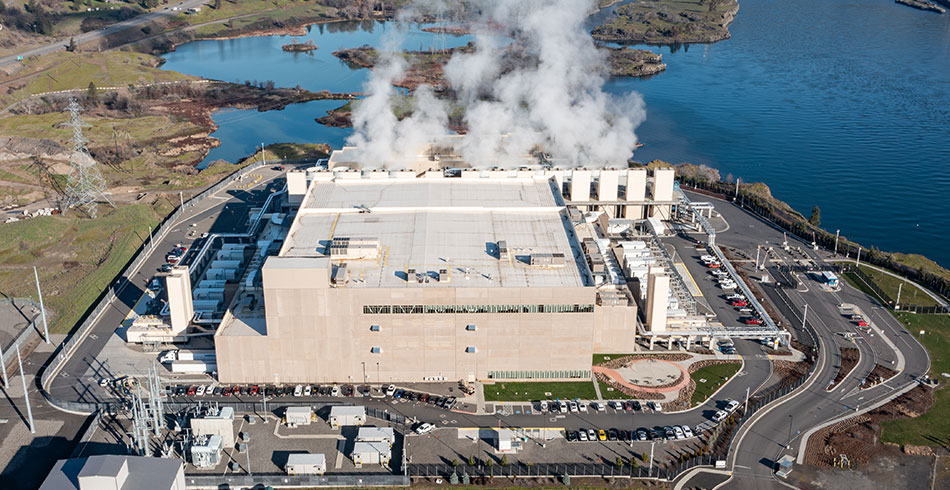
Australia’s nine dirtiest data centre proposals could add 40 million tonnes of climate pollution a year by 2035 if they don’t bring new solar, wind, and storage to the table, according to new analysis by the Climate Council and Carbon Zero Initiative.
That’s almost as much pollution as the country’s three dirtiest coal power stations combined—Loy Yang A, Eraring, and Bayswater.
Related article: South Australia joins states wanting gas-backed data centres
Pollution Pipeline: Australia’s Dirtiest Data Centres also found:
- The nine dirtiest data centre proposals are located in NSW (4), Victoria (3), Queensland and the Northern Territory, predominantly in regional areas
- Three developers, some tied to the gas industry, want to build gas power stations bigger than any running in Australia today
- Without new renewables and storage, data centres could push wholesale power prices up 20% across the main grid by 2035
- Using gas to run data centres would tighten supply for Australian industries that need it, undermining the Commonwealth’s proposed Domestic Gas Reservation Scheme.
Climate Council CEO Amanda McKenzie said, “Millions of us have put solar on our roofs and batteries in our garages. Now some of the richest companies on the planet want to run an extension cord into our grid, pushing up pollution and leaving everyone else with higher bills.
“Gas corporations looking to justify burning more gas have spotted data centres and are circling like seagulls around a bag of hot chips. If we let them lock in giant gas power stations now that will pollute for decades, we’ll be paying the price.
“It’s simple: If you want to plug into our grid, bring your own renewable power: solar, wind and batteries.”
The Climate Council is calling on the Commonwealth to make sure its national data centre law has stringent requirements, including:
- Facilities over 30MW, including those already in the pipeline, must match their demand with new renewables and storage built within three years
- Gas must be ruled out as a primary power source
- Strict limits must be placed on water use, including no use of fresh water for cooling in water-stressed regions.
Carbon Zero Initiative co-founder Alexander Hoysted said, “Data centres don’t have to drive up power prices and pollution. Australia has one chance to lock in strong guardrails that work to our nation’s advantage, not just throw down the welcome mat for big tech to come here on their own terms.
Related article: Sydney data centre dropped after community push-back
“We have a clear choice here: demand that developers bring new clean energy, or condemn future generations to decades of energy chaos, soaring bills and climate harm.”