The Australian Energy Regulator (AER) has approved a modified System Integrity Protection Scheme (SIPS) agreement for Akaysha Energy’s Waratah Super Battery Project following its full operationality.
The original agreement signed in 2022 was created with the anticipated closure in August 2025 of the coal-fired Eraring Power Station in mind. Since then, Eraring’s closure has been pushed back to 2020.
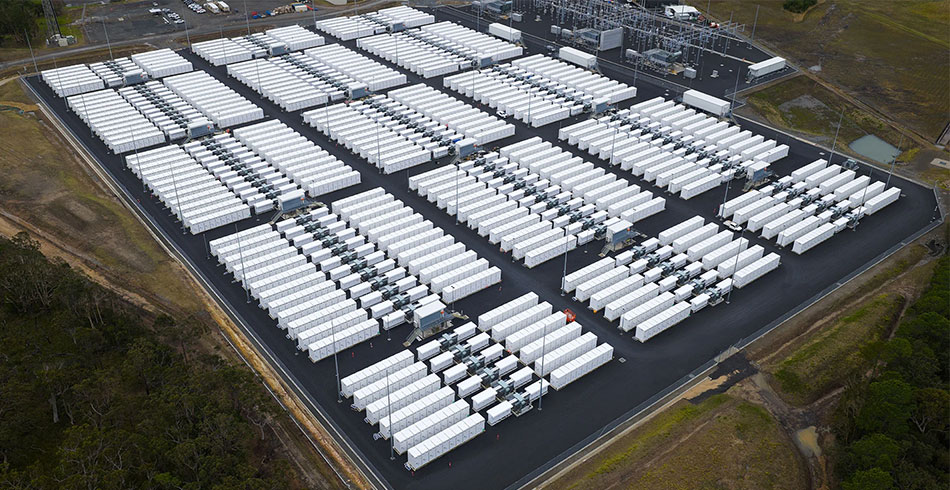
The modified SIPS agreement, developed collaboratively by EnergyCo, Transgrid, and Akaysha Energy, preserves the 850MW/1,680MWh battery’s role in delivering the 700MW SIPS service while enabling greater participation in the National Electricity Market when the service is not required.
Related article: Waratah Super Battery reaches final commercial operations
Importantly, profits generated through the battery’s market participation will be shared with NSW electricity customers through a revenue-sharing arrangement, ensuring customers benefit from the additional flexibility.
The agreement is expected to increase the availability of dispatchable capacity, and improve market competition, while maintaining the security and reliability benefits the project was designed to deliver.
The modified SIPS arrangements are expected to commence in late 2026.
Akaysha Energy chief commercial officer and managing director Paul Curnow said the approval represented an important evolution in how grid-scale batteries can support both reliability and affordability.
“The Waratah Super Battery was built to strengthen the resilience of the NSW electricity system as the state transitions away from coal-fired generation. This approval ensures the battery will continue to deliver that critical reliability function while unlocking additional value for electricity customers,” he said.
“What makes this arrangement significant is that it enables the battery to support the grid when needed and participate in the market when it is not, improving utilisation of critical infrastructure without compromising system security.
“The modified agreement reflects strong collaboration between EnergyCo, Transgrid, the NSW Government and Akaysha Energy, and demonstrates how public and private sector partners can structure battery storage to support reliability, competition and better market outcomes. The Waratah Super Battery Project demonstrates a model with relevance well beyond NSW, offering important lessons for jurisdictions globally as they accelerate their own energy transition journeys.”
The Waratah Super Battery Project helps maintain the reliability and security of the NSW electricity network as the state transitions away from coal-fired generation. The SIPS service acts as a network shock absorber, using a utility-scale battery, paired generation services and advanced control systems to respond rapidly to major network disturbances and help keep the power system stable.
Related article: Origin seeks approval for 500MW Eraring BESS expansion
If a major transmission fault occurs, the battery can rapidly discharge electricity into the grid while paired generators reduce output, helping avoid disruptions and allowing more electricity to be transferred across existing transmission lines to consumers in the Hunter, Sydney, and Illawarra regions.
The approved modifications ensure Transgrid’s ability to reserve SIPS capacity can be reserved whenever required while improving utilisation of the battery when those services are not needed.