The federal government says it will reform Safeguard Mechanism rules by imposing stricter carbon emissions limits on the nation’s biggest polluters from July, eliminating 200 million tonnes of carbon dioxide emissions by the end of the decade.
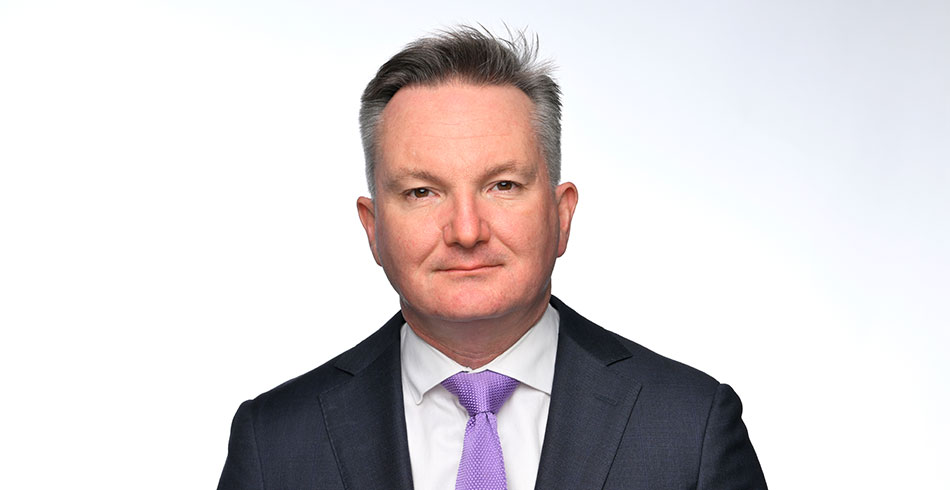
Minister for Climate Change and Energy Chris Bowen said the reforms were an important next step in ensuring the Safeguard Mechanism delivered meaningful outcomes and was fit for purpose.
Related article: National cabinet passes gas and coal price cap legislation
“These proposed reforms have been carefully calibrated to deliver the policy certainty and support Australian industry needs through decarbonisation,” Minister Bowen said.
“We’ve been extremely encouraged by the level of engagement in the process to date, and look forward to continued constructive engagement as we finalise the design of these critical reforms for Australia’s net zero pathway.
“Reforms to the Safeguard will help create an effective, equitable and efficient trajectory to net zero. We know that that 70% of facilities, representing over 80% of scheme emissions, already have corporate commitments to net zero by 2050—this reform helps deliver the framework to get there.”
The Greens said the draft Safeguard Mechanism rules don’t go far enough and risk continuing to be captured by coal and gas interests.
“The safeguard mechanism is primarily about regulating coal, oil and gas, with 57% of emissions covered by the scheme coming from those sectors,” the party said in a statement.
“The Chubb Review into carbon credits … reinforces the Greens’ concerns about allowing unlimited offsetting as part of the Safeguard Mechanism reform. The use of Australian Carbon Credit Units instead of actual emission cuts, including those represented by Safeguard Mechanism Credits, risks filling the scheme with hot air.
“The government is likely to need the Greens’ backing in the Senate for the rules, which are a disallowable instrument, and to pass the enabling legislation currently before the Parliament.
“The Greens want to work with the government to ensure the Safeguard Mechanism delivers real and deep cuts to pollution, not just dodgy offsetting and an excuse for coal and gas to expand and keep polluting.
“More than half of the facilities currently covered by the Safeguard Mechanism are coal or gas projects and the 118 coal, oil and gas projects in the investment pipeline will sabotage the Safeguard Mechanism unless they are dealt with by the government.”
Environmental group Greenpeace Australia Pacific agreed the proposed changes were “too weak” and “must be strengthened for the policy to be fit for purpose”.
The Climate Council is calling for a strong cap on the use of offsets within a reformed Safeguard Mechanism.
Dr Jennifer Rayner, Head of Advocacy at the Climate Council said, “For too long, major polluters like multinational coal, oil and gas giants have had a free ride on their harmful emissions. This must stop.
“Cutting down the artificially high caps on carbon pollution given to these corporations by the Morrison Government is a welcome step to kickstart emissions reduction. Capping the total emissions which can be produced by facilities in the Safeguard Mechanism is also important for driving towards net zero.
Related article: Australia may be heading for emissions trading between big polluters
“However, allowing facilities in the Safeguard Mechanism to use cheap and easy offsets to write off all of their emissions will send completely the wrong signal. This will simply incentivise Australia’s heavy industry to engage in tricky carbon accounting to cover up pollution as usual instead of investing in genuine transformation.”
The consultation paper and draft legislative rules for the proposed Safeguard Mechanism design are available here and feedback is open until February 24, 2023.