Murdoch University researchers have called for wildlife-friendly solar farm design to protect biodiversity amid global renewable energy expansion.
Solar energy plays a central role in the race toward a low-carbon future. But while solar farms help reduce greenhouse gas emissions, a new study warns that their rapid expansion may come at a cost to biodiversity—particularly for birds and bats.
The research by wildlife ecologist Professor Trish Fleming explores the ecological consequences of large-scale solar facilities.
It reveals that while solar panels offer environmental benefits, they also pose unique challenges to wildlife that must be addressed to ensure a truly sustainable energy transition.
Related article: New guide helping solar farms improve biodiversity
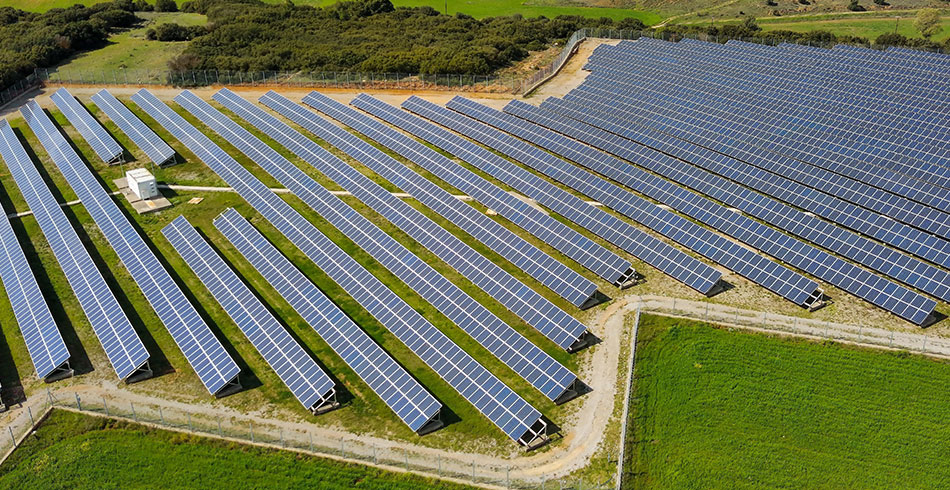
In 2023, solar panels covered approximately 37,886 square kilometres of land—or about 0.025% of the Earth’s surface. As solar capacity rapidly increases each year, the land required for new installations is significantly expanding. Typically, two to six hectares of land are cleared for every megawatt of solar power generated, resulting in significant habitat disruption.
This new research undertaken by the Harry Butler Institute with funding from Fortescue Metals Group has found these vast, flat surfaces can interfere with animal movements in unexpected ways.
“The reflective glare from solar panels mimics the appearance of water bodies, confusing migrating birds and leading them off course,” Professor Fleming said.
“This phenomenon, known as polarised light pollution, can also attract insects, inadvertently creating new feeding grounds for birds and bats.
“While this may seem beneficial, it can alter natural foraging behaviours and increase collision risks.”
Trapped by design
Another concern is the fencing commonly used around solar farms.
While intended to protect infrastructure, these barriers can entrap wildlife, leading to injury or death. Migratory species may find their traditional routes blocked, disrupting nesting and feeding patterns.
However, the study also highlights promising mitigation strategies. A solar facility in Nevada, USA, offers a model for wildlife-friendly solar design.

During construction, native plants and natural washes were preserved and openings were left in fences to allow desert fauna to pass freely. Early monitoring shows that animals are using these openings, suggesting that thoughtful design can reduce ecological harm.
Innovations to make solar safer
There are also technological solutions to the problems that show promise.
“Nano-coating solar panels to reduce polarised light pollution is one change that could help prevent birds from mistaking panels for water,” Professor Fleming said.
“These coatings alter the way light is reflected, making the panels less visually disruptive to wildlife.”
The study calls for greater consideration of biodiversity conservation in solar farm planning.
Related article: Building biodiversity through renewables
“We can mitigate greenhouse gas emissions without sacrificing biodiversity. It’s not a choice between clean energy and conservation—we can have both,” Professor Fleming said.
As governments and industries invest heavily in renewable energy, the findings underscore the importance of integrating ecological awareness into infrastructure development.
The study urges planners, policymakers, and developers to adopt wildlife-friendly practices and technologies to ensure that solar energy remains a truly sustainable solution.
The study adds to a growing body of work advocating for responsible renewable energy development—one that protects both the planet and its inhabitants.