With much of the developed world hastening its transition to renewables, Energy Source & Distribution takes a look at some renewable megaprojects around the globe.
Biggest wind project
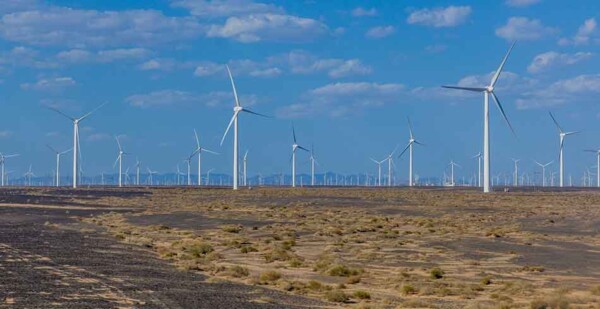
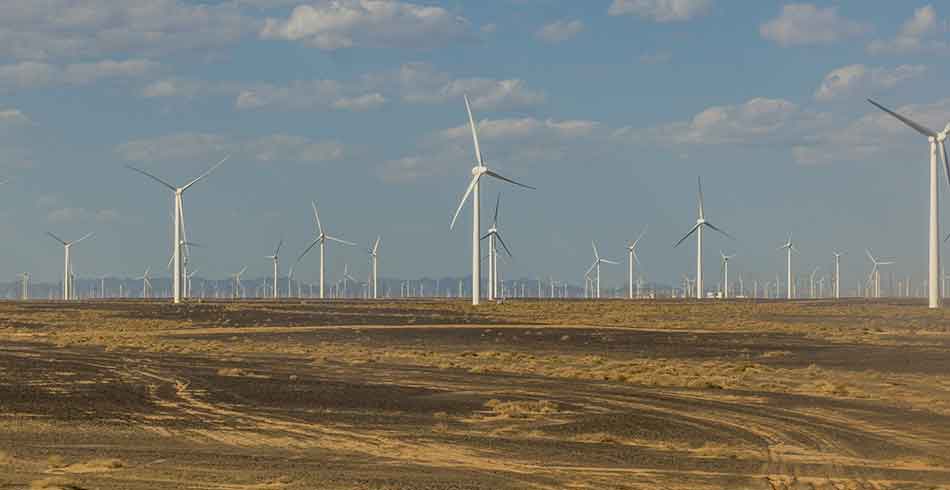
The Gansu Wind Farm, also known as the Jiuquan Wind Power Base, is the world’s biggest wind project, made up of several wind farms being built by more than 20 developers. Located on the outskirts of the Gobi Desert in northern China, this renewable megaproject will have an incredible 20GW of installed generation capacity upon completion. With more than 7,000 wind turbines and a 2,383km transmission line, Gansu Wind Farm can generate enough electricity to power a small country. The project is one of six national wind power megaprojects approved by the Chinese government.
Related article: Power players: the world’s biggest power stations
Biggest solar project
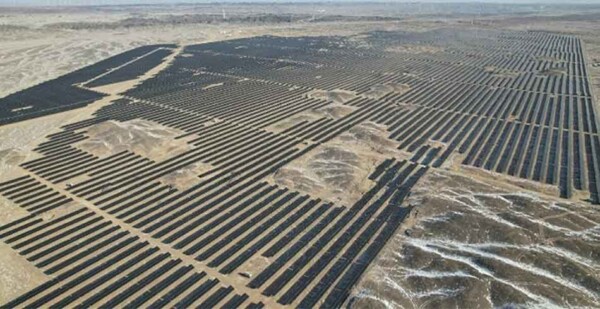
The 3.5GW Xinjiang Solar Farm is the world’s biggest solar farm. Developed by the state-owned Power Construction Corp of China, the solar farm is located in the desert region near Urumqi, the capital of Xinjiang. Spanning 200,000 acres, the solar farm has more than 5.26 million panels. Xinjiang Solar Farm will produce 6.09 billion kilowatt hours of electricity annually—enough to power a country the size of Papua New Guinea for one year.
Biggest hydroelectric project
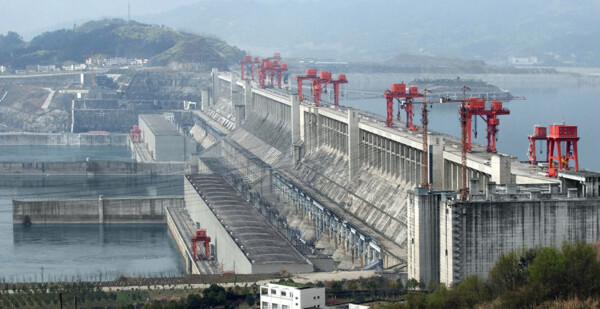
Located in central China’s Hubei province, the Three Gorges Dam is a hydroelectric gravity dam that spans the Yangtze River. Managed by China Yangtze Power, the Three Gorges Dam boasts 32 main generators, each with a capacity of 700MW, and two plant power generators, each with capacity of 50MW, and is the world’s biggest power station in terms of installed capacity (22,500MW). The dam generates an average 95±20TWh of electricity per year, depending on annual amount of rain. After the extensive monsoon rainfalls of 2020, the dam’s annual production nearly reached 112TWh, breaking the previous world record of ~103TWh set by Itaipu Dam in 2016.
Biggest tidal power project
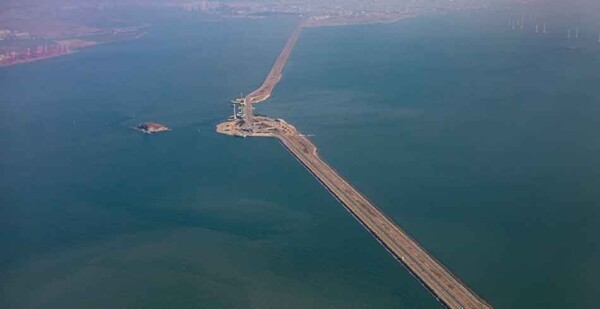
Sihwa Lake Tidal Power Station is the world’s largest tidal power installation, with a total generation capacity of 254MW. It is located on Lake Sihwa, approximately 4km outside the city of Siheung in the Gyeonggi Province of South Korea. Operated by the Korea Water Resources Corporation, the $560 million project was financed by the South Korean government. Sihwa Lake Tidal Power Station has a massive 12.5km sea wall built for flood mitigation and agricultural purposes. The 552.7GWh of electricity generated from Sihwa Lake Tidal Power Station is equivalent to 315,000 tons of CO2—the amount produced by 100,000 cars annually.
Biggest geothermal project
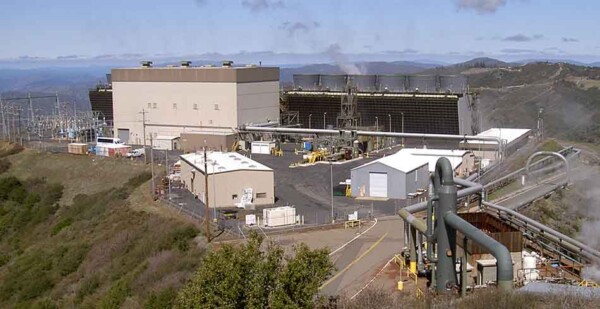
In the Mayacamas Mountains, north of San Francisco in California, naturally occurring steam field reservoirs below the earth’s surface are being harnessed by Calpine to make clean, green, renewable energy for homes and businesses. The 1.2GW Geysers Geothermal Complex, comprising 18 power plants, is the biggest geothermal installation in the world and a renewable megaproject of impressive proportions. The Geysers draws steam from more than 350 wells, producing approximately 20% of California’s renewable energy. Unlike most geothermal resources, the Geysers is a dry steam field, which mainly produces superheated steam.
Related article: World’s first 20MW offshore wind turbine installed in China
Longest electricity interconnector
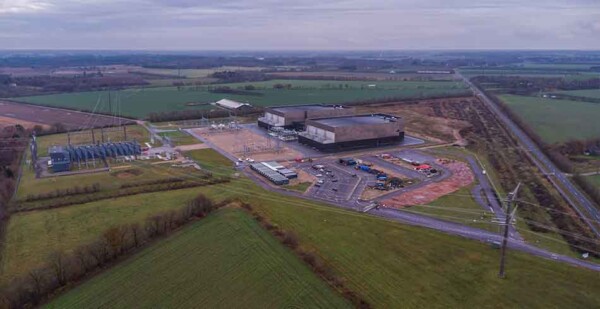
National Grid’s Viking Link has been named the longest land and subsea HVDC interconnector by Guinness World Records. Stretching for 757km to join rural Lincolnshire in the UK with Revsing in Denmark, Viking Link is jointly owned and operated by National Grid and Danish system operator Energinet. So far it has transported more than 1,800GWh of power between the two countries. Construction on the link began in 2019 and a bespoke vessel, the Leonardo De Vinci, was commissioned to install the cable, which weighs 40kg per metre and stretches further across land and sea than any other of its kind. More than four million working hours were spent bringing the project to life, with many of the team working on Viking Link since the project’s conception.