Octopus Australia’s Blind Creek Solar Farm and Battery has received critical grid connection approval, allowing the project to connect to the grid and progress into its final development phase ahead of construction in Q3 2025.
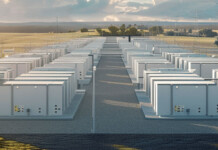
Located 32km north-east of Canberra, the Blind Creek Solar Farm and Battery is a 300MW solar farm with 243MW/486MWh of co-located battery storage.
Related article: Octopus’ 1GWh Blackstone Battery gets planning tick
Blind Creek is now the largest project of its kind to reach this stage of development within the National Electricity Market (NEM). Blind Creek utilises market leading DC-coupled hybrid technology, co-locating solar panels and batteries on a single site.
This innovative configuration allows solar energy generated during the day to be stored in the batteries when energy prices are low, and dispatched in the evening peaks when demand and pricing is high.
The project follows on from Octopus Australia’s first DC-coupled project, the Fulham Solar Farm and Battery, which commenced construction last month, reflecting the company’s commitment to accelerating Australia’s renewable energy transition.
“We are incredibly proud of our team for reaching this milestone” Octopus Australia co-managing director renewables Sonia Teitel said.
Related article: Wärtsilä to deliver battery for Octopus’ Fulham hybrid project
“Securing GPS approval for Blind Creek not only marks a significant step forward for the project but also highlights the depth of expertise within our team, with critical grid modelling work undertaken in-house. We look forward to commencing construction on the project in the next 12 months.”
The GPS approval granted by AEMO and Transgrid follows a collaborative 12-month process facilitated by Lumea, which involved early collaboration between all stakeholders and strong technical partnerships with the project’s key suppliers, Wärtsilä and SMA Australia.