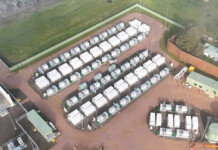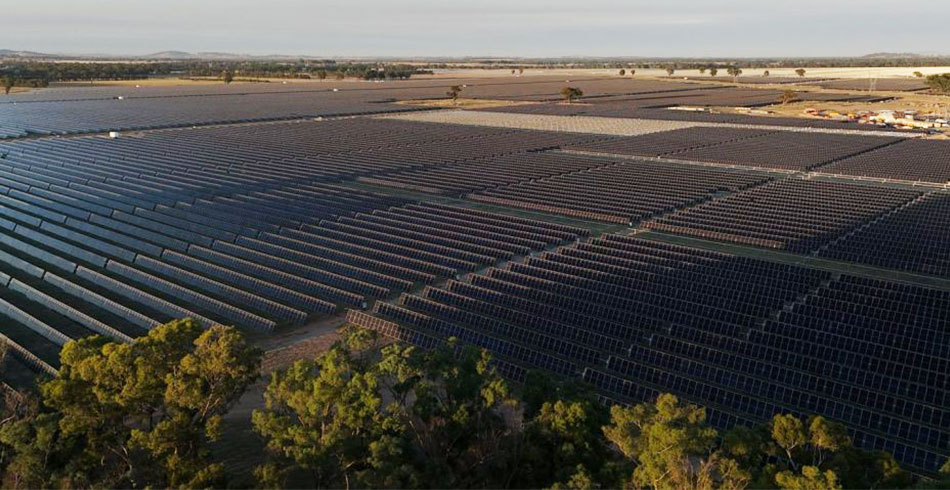
Neoen Australia’s 440MWp (350MW AC) Culcairn Solar Farm located in New South Wales’ south-east Riverina region is now operational.
The renewables project which comprises both solar arrays and battery storage was built in less than two years with 600 workers at peak construction.
Related article: Federal approval for three New South Wales wind farms
Situated 45km north of Albury and 70km south of Wagga Wagga, Culcairn Solar Farm was constructed by Bouygues Construction Australia, Equans Solar & Storage, Lumea, Transgrid, Neoen and contractors and workers from the Riverina region.
Renewables company Neoen Australia said the solar farm’s completion is a positive step for the energy transition.
“Culcairn is our second largest solar asset globally and will produce enough energy to power 160,000 homes in a year. We are proud of the contributions it will now make to help New South Wales in its target of reducing carbon emissions by 50% by 2030,” Neoen Australia wrote in a post to LinkedIn.
“This fantastic milestone also allows us to deliver on our commitments to our customer SmartestEnergy on time, ensuring they can meet their retail demand with 50% of the solar farm’s output—for the next four years.
“Located on Wiradjuri Country and harvesting the sun’s energy using 760,000 panels, Culcairn Solar Farm is a reality today because of the resilience and commitment shown by our host landowners.
“They have stood with us at every step of the journey over the last seven years to create a greener future for our kids.”
Related article: Neoen proposes wind farm with massive battery in WA
Neoen Australia is set to launch its First Nations and Community Benefit Fund on the asset to support and share benefits with the people living in and around Culcairn.