Renewable energy developer Octopus Investments Australia and the Clean Energy Finance Corporation are set to expand their joint venture portfolio with an exciting agri-solar project called Blind Creek Solar Farm, located 8km north-west of Bungendore in NSW.
Known as Blind Creek Solar Farm, the project was founded by local farmers with a multi-generational connection to the site and to the local community, together with a team of renewable energy experts.
The characteristics of the project reflect their vision to co-locate regenerative agriculture with solar, engage in genuine community consultation and include the community in the project’s financial benefits.
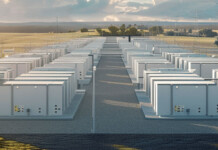
The goal is for renewable energy production to co-exist with organic grass-fed lambs, regenerative agriculture, a soil carbon sequestration project and restoration of biodiversity. Once constructed, the ~350MW solar farm will produce up to 735,000MWh of electricity per year—enough to power approximately 124,000 homes. This solar farm will be accompanied by associated infrastructure, including a substation and 300MW/600MWh battery.
Related article: Tindo and UNSW develop AgriPV solar panels
“Our relationship with Octopus and the Clean Energy Finance Corporation (CEFC) means our commitment to create a more sustainable future for our family farm and positive outcomes for our community has taken an exciting step forward,” founder and landowner Dominic Osborne said.
CEFC executive director Monique Miller said the project was an important demonstration of how existing regional farming activities can work in conjunction with clean energy generation.
“The storage potential, scale and strategic location make the Blind Creek development unique in its ability to make a significant contribution to Australia’s energy transition,” Miller said.
The economic benefits of the project to the local community will be significant, including jobs during construction and operation, as well as flow-on effects to local businesses through use of local amenities such as accommodation, restaurants and shops, for example.
Also integral to the project is the Community Benefit Sharing Scheme.
Octopus Investments project development manager Emily Walker said, “Pending project approval, a Community Benefit Sharing Scheme (CBSS) will be established which will contribute $3.5 million based on a 350MW project (final contribution would be based on installed megawatts) over the lifetime of the project to key stakeholder groups and the local community, including over $1 million to the Queanbeyan-Palerang Regional Council (through a Voluntary Planning Agreement, the form of which has been agreed) to be used towards the new Bungendore swimming pool and/or other facilities within the planned Bungendore sports precinct.

“The second part of the CBSS is made up of contributions directly to neighbours who would be affected by the project. These stakeholders are encouraged to, wherever possible, spend the money they receive with local businesses, to further extend the financial benefits to the local community. The agreements the project has with these stakeholders make it clear that if they choose to participate in the CBSS, they are still able to participate fully in the planning process (i.e., they may still object to the project if they wish). This part of our CBSS is quite unique and is part of the reason why the project has recently won the Community Engagement Award at the 2022 Australian Clean Energy Summit.
“The CBSS would also fund an annual open day to allow Indigenous Elders to educate Indigenous communities and the local community of Bungendore and school children about the area. The area is between the proposed edge of the solar farm and Weereewa/Lake Ngungara/Lake George. This will provide access to the lake from the eastern shore for the first time in more than 150 years for Indigenous peoples and for the wider community and a significant barrier between the project and the lake.”
Related article: Australia’s first solar garden expands to whole grid
Octopus Investments is targeting the first quarter of 2024 for work to begin, with the construction program anticipated to take approximately 18 months.
“The local community are our most important stakeholder and the main landowners, who have done a great job on the engagement front, have ensured that we have a strong relationship with the local community and neighbour groups,” Walker said.
“The project’s EIS finished its public exhibition phase and received only five objections. This is a fantastic outcome for a project of this scale and reflects just how much work has been done to date to involve the local community and affected neighbours in the project’s development and design.”
Like any renewable energy project in Australia, grid connection is a key consideration.
“The project is connecting into a particularly strong part of the network, between the load centres of Sydney, Canberra and Snowy Hydro, but as all developers will know, the connection process can take many months to conclude,” Walker said.