-SPONSORED CONTENT-
By Kirstin Crothers, Conference Director, Australian Energy Week
Australia has one of the world’s highest carbon emissions per capita, and a significant portion of those emissions come from the energy sector.
The country has long relied on coal as a major part of its energy mix. But as these generators reach their end-of-life, the question arises: can we build enough renewable generation (and the necessary infrastructure) in time?
A disorderly transition could have significant negative impacts on the economy, the environment, and social equity. The Australian public expects reliability from our energy systems and will respond poorly to breaks in continuity (and ongoing price hikes). This creates political sensitivity and an increased level of urgency; which could lead to knee-jerk decisions which will impede holistic long-term planning.
Transitioning to clean energy is a complex process requiring significant investment in new technologies and infrastructure as well as changes to existing regulations and policies. Despite these challenges, many experts believe an orderly transition to clean energy is still possible in Australia. This year, Australian Energy Week explores the challenges and opportunities the transition to renewable energy presents and examines the role policy, technology, and innovation will play in making this transition a reality.
Challenges of transitioning to clean energy
For Australia, transitioning to clean energy is a task that is particularly fraught, given the country’s reliance on coal and the political and economic power of the fossil fuel industry.
According to Anna Collyer, Chair of the Australian Energy Market Commission (AEMC) and Energy Security Board (ESB), “We as an industry grapple with just-in-time. Either the transmission is going to be too early, in which case customers pay earlier, or it’s going to be too late and customers really will pay for that. It’s very hard to get that exactly right within the regulatory regime.”
Despite the difficulties, many experts believe an orderly transition to clean energy is still possible. Jason Willoughby, CEO of Squadron Energy, says “Projects need to be executed faster and transmission roadblocks overcome to hit the target, while ensuring communities are onside and sharing the benefits”.
The importance of policy and regulation
One of the key challenges is the need for consistent policy and regulatory frameworks for the clean energy sector. With clear guidelines and support from the government, investors and energy companies may be more willing to invest in new technologies and infrastructure.
“It’s about having clarity about how we deliver,” says Damien Nicks, Managing Director and CEO of AGL Energy.
“There are going to be challenges, but we need that co-ordinated approach across the market, not just AGL.”
Rabia Ferroukhi, Director of the Knowledge, Policy, and Finance Centre at the International Renewable Energy Agency (IRENA), agrees that supportive regulation is crucial for the clean energy sector’s growth. “Mushrooming global demand [for renewable energy] will only be matched with supply if more done from the policy-making side,” she says.
The role of technology and innovation
New technologies, such as battery storage, hydrogen, and carbon capture and storage, have the potential to transform the energy sector and help Australia meet its emissions reduction targets.
Ian Learmonth, CEO of the Clean Energy Finance Corporation (CEFC), believes that technology will be a key driver of the transition to clean energy.
“We are seeing enormous market interest in the commercialisation of innovative technologies and business models which can accelerate the transition to net zero emissions.”
Peter Price, Executive General Manager, Engineering at Energy Queensland, agrees that technology is changing the energy landscape. “Customer empowerment and disruptive technologies are driving a paradigm shift,” he says, noting that it is important to make the most of what exists today while new solutions and technologies evolve.
Ben Burge from Telstra Energy sees “a future with profound transformative transitions in technology, including energy storage and conversion, artificial intelligence and connected devices.”
Keeping communities and consumers onside
Social license is increasingly important in the energy sector. Achieving a successful and sustainable energy transition depends on engaging with local communities, building trust, and demonstrating the benefits of clean energy.
There is already significant pushback from local landholders and communities against the huge transmission towers and infrastructure needed to connect renewables.
“At a very local level, at a farmer and landowner level, it’s difficult, it’s tough,” says Brett Redman, CEO of Transgrid. He acknowledges that whilst transmission projects have wide benefit, “the burden is falling to the few as we think about how to build, and it’s a complex and difficult situation to manage through.”
It is not just communities impacted by generations and transmission projects who need to be considered. Residential consumers are being squeezed too.
Australian Energy Regulator (AER) Chair Clare Savage observed, “The market volatility seen in the later part of 2021–22 highlighted the need for consumer protections, with an increase in energy retailers closing their doors.”
The growing momentum behind the push for clean energy
To make the transition to clean energy possible, Australia needs to develop clear and consistent policy and regulatory frameworks to support the sector’s growth. It also needs to invest in the new technologies and infrastructure to support it while encouraging innovation and entrepreneurship in the energy sector. All stakeholders need to be considered. And it all has to happen before blackouts become a feature of what has been an incredibly reliable system.
With the right policies and investments, Australia can transition to a cleaner, more sustainable energy future that benefits both the environment and the economy. As Stephanie Unwin, CEO of Horizon Power, says, “We have an important decarbonisation role to play, not only in terms of our own environments but also in trialling new, clean energy technologies for a wider benefit.”
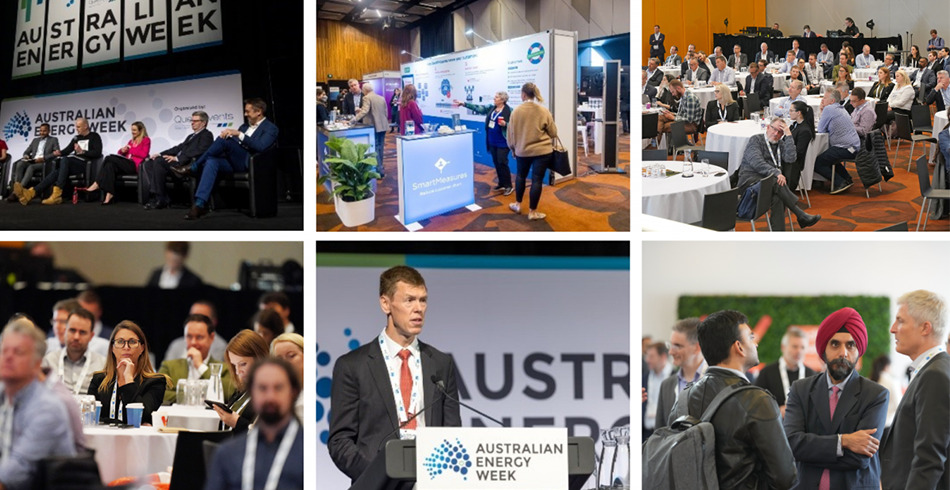
All the industry leaders in this article will be speaking at the plenary day of Australian Energy Week on June 20, 2023. Hear from these thought leaders and be part of the conversation on the future of energy by attending.
Click here for more information.