The International Hydropower Association (IHA) and its Australian members have released a comprehensive roadmap for accelerating pumped storage development and securing Australia’s clean and affordable energy transition.
As ageing coal and gas plants retire across the National Electricity Market (NEM), variable renewable energy—especially solar power—is the cheapest form of new generation.
Large-capacity long-duration energy storage is required at an unprecedented scale to ensure back-up when the wind doesn’t blow and the sun doesn’t shine and, to store it when we have too much for the grid to handle.
Related article: $7 billion pumped hydro projects declared critical for NSW
Pumped storage plants offer a compelling solution: they provide cost-effective long-term energy storage and work complementarily with chemical batteries by covering multi-day discharge periods and deep firming requirements beyond typical battery duration.
IHA president Malcolm Turnbull said, “Let me be clear: if we want a successful clean energy transition and affordable electricity for Australians, we’re going to need more pumped storage. It’s not optional—it’s essential.
“Pumped storage is the only proven technology that can store energy at the massive scale our grid requires. We have strong projects ready to go, but they need the right policy settings and market signals to get built.
“This meeting is about providing government with a clear, actionable roadmap. The technology works. The economics work. What we need now is decisive action.”
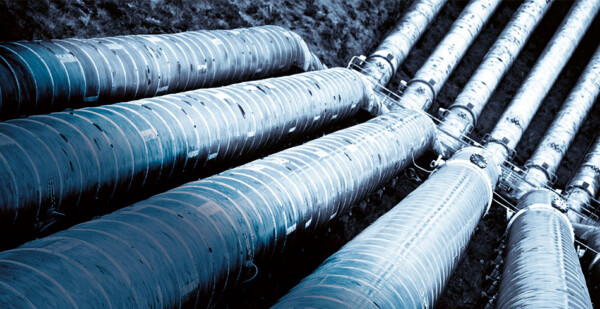
The Australian Energy Market Operator’s draft 2026 Integrated System Plan forecasts a need for 27GW total storage by 2030 and 55GW/618GWh of storage by 2050. Meeting this target requires storage that can firm renewables for extended durations, not just during daily peaks.
Australia has the natural resources and the technical expertise to deliver the long duration energy storage needed to firm the grid.
But the country requires a clear path forward that plans explicitly for long duration (8+ hour) and deep (24+ hour) storage, evolves market signals to value firming, de-lorisks financing and delivery; streamlines approvals; promotes skills and knowledge sharing; and coordinates transmission.
Doing so will keep the NEM reliable and affordable through the transition, strengthen national energy security, and deliver tangible regional economic benefits.
Related article: Queensland’s Wivenhoe Pumped Hydro to get $48M overhaul
Hydro Tasmania also announced a major milestone in its proposal to redevelop the iconic Tarraleah hydropower scheme, kicking off the first stage of the construction tender.
This major infrastructure project is seeking proposals for the project’s construction and the supply of generation equipment for the new 190MW power station. A redeveloped Tarraleah would generate 30% more electricity from the same amount of water.
The Australian Energy Market Operator (AEMO) confirmed that hydro and pumped hydro central are central to Australia’s grid reliability.