The Clean Energy Finance Corporation (CEFC) has committed a record $3.5 billion in clean energy investment in the 12 months to June 30, 2025, including its single largest transaction since inception.
CEFC capital achieved unprecedented scale, impact and leverage—from multi-billion dollar nation-building transmission projects to finance aimed at helping reduce energy costs for households and businesses.
Related article: Transmission, planning delays spook renewables investors
Since inception, the CEFC has made lifetime commitments of $18.3 billion and helped drive $85.3 billion commitment to clean energy projects.
CEFC CEO Ian Learmonth said, “From our largest ever transactions in transmission to accelerating the net zero ambitions of our co-investors, across natural capital, property, transport and resources, CEFC investments are helping Australia position itself positively in the global competition for capital.”
The 2024-25 financial year saw increased activity and impact from the Rewiring the Nation (RTN) Fund, the Household Energy Upgrades Fund (HEUF), and the Powering Australia Technology Fund (PATF).
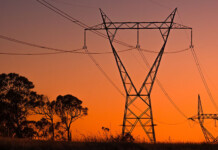
The CEFC committed $2.8 billion through the RTN, including up to $2.075 billion to enable construction of a clean energy ‘superhighway via HumeLink and the NSW element of VNI-West—together its single largest transaction.
CEFC commitments through the PATF catalysed more than $404 million to climate tech innovators. It also unlocked $610 million in green loan products through the HEUF to help homeowners install clean energy technologies at a lower cost to reduce their energy use.
This period of momentum building investment activity comes as Australia’s 2030 renewable energy and emissions targets loom ever nearer, and the impacts of climate change continue to be felt around the globe.
BloombergNEF analysis reveals the scale of the challenge ahead: Australia needs to invest some US$59 billion every year between now and 2030, or 2.6 times current levels, to remain on target for net zero by 2050.
Related article: NEM sees record rise in renewables generation and storage
Learmonth said, “Even with the considerable investment run rate of the past decade, Australia requires ongoing investment in renewables and long-duration storage, clean energy affordability for consumers and measures to cut emissions in ‘hard-to-abate’ sectors, including land, the built environment and transport.
“This poses a once-in-a-generation challenge as well as an economic opportunity. Investment activity at this scale promises substantial economic and local employment benefits across Australia, strengthening our economy for a net zero future while making critical progress towards decarbonisation.”