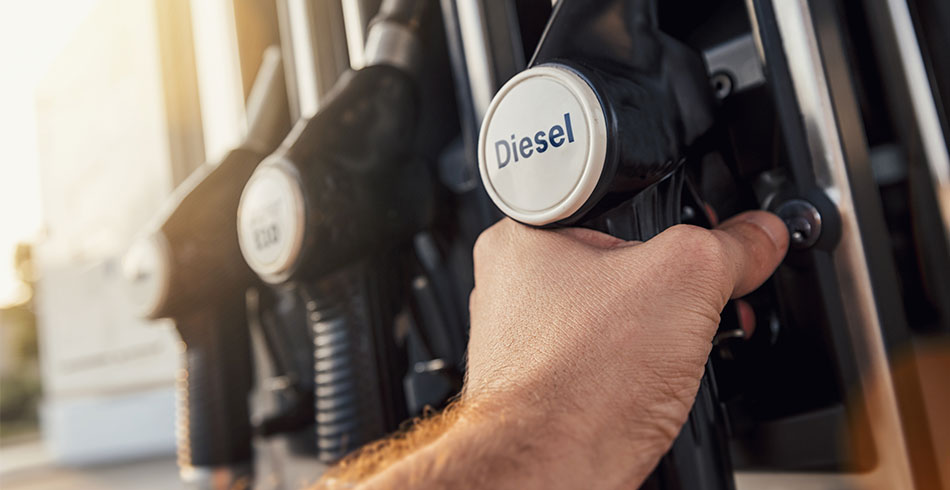
Australia has been hit with the world’s biggest diesel bill during the war on Iran, paying around $9 billion between March and August—more than double that of any other country.
The Climate Council’s Crude Awakening report found Australia was among the top countries most exposed to an oil shock, with the nation being the world’s largest seaborne importer of diesel fuel.
Related article: How Australia can beat the big diesel squeeze
Australia now uses two-and-a-half times more diesel than it did in 2000, and imports around 90% of its requirement. This heavy reliance on imported fuel left the country highly exposed when global oil prices spiked, driving up the cost of fuel, freight, and food.
Today marks eight months since the United States and Israel began their joint offensive on Iran.
Climate Councillor and leading independent economist Nicki Hutley said, “Relying on imported oil means leaving our energy security in someone else’s hands. When global conflict chokes supply, prices spike and the cost ripples through the whole economy.
“We’re paying heavily for that exposure: not just at the servo, but also at the checkout and almost every time we open our wallets.
“Global oil shocks contribute to Australian inflation because of that over-reliance on foreign oil. We can start fixing that mess by electrifying more of our freight and businesses, reducing our exposure and, in doing so, reducing inflationary pressure.’’
Climate Councillor and former BP Australasia president Greg Bourne said, “I lived and worked through all the fuel shocks from the 1970s onwards, and they have kept coming. This one isn’t over, and it won’t be the last.
“Each time, Australia’s reliance on foreign oil has resulted in us paying higher prices. More of the same won’t protect Australians. A strategy is not just the sum of tactical day-to-day political decisions, which is what we have been doing for decades.
“We need a strategy that speedily and progressively weans Australia off its reliance on fossil fuels to insulate us from geo-political shocks; allows us to capture our renewable energy comparative advantages and reduces our transport and industrial climate pollution.
Related article: EV sales overtake petrol cars for the first time in Australia
“The faster we run our homes, transport and industry on homegrown clean energy, the more control Australians will have over their costs when the next energy shock hits.”