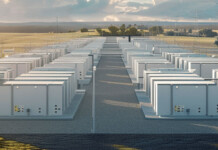
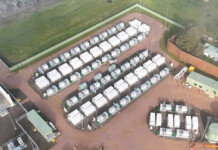
Saputo Dairy Australia (SDA) has announced the go-live of its purpose-built biogas-to energy project at its Allansford manufacturing facility.
Utilising advanced Capstone Microturbines, the custom solution converts biogas waste into renewable power and heat, thereby reducing the site’s reliance on the electrical grid and allowing for other electrification projects in the region, while also generating up to 25% of the facility’s total electricity usage during peak production.
Related article: Aussie-first renewables project uses pig poo to power grid
This transformative project is enabling SDA to harness nearly all of the biogas generated onsite to deliver sustainable energy savings. This innovative plant is set to significantly enhance the site’s environmental performance by removing up to 14,000 tonnes of CO2 annually from the environment.
“This project is a testament to our commitment to environmental stewardship and innovation,” SDA general manager of engineering and strategic projects James Moyle said.
“As part of our long-term vision for success in Australia, our investment in renewable energy is supporting a resilient and sustainable dairy industry while safeguarding the environment and fostering positive environmental change in our communities.”
Optimal Group was contracted to deliver the leading-edge technology for the biogas-to-energy project.
Optimal Group CEO Craig Dugan said, “Saputo is demonstrating their strong commitment to sustainability by installing this flagship renewable energy system.
“As companies seek to reduce their Scope 1 and 2 emissions, hard to abate industry sectors have limited options to decarbonise. Often there is insufficient power available in the grid, or the temperatures their processes require cannot be delivered via electrification.
Related article: Waste-to-energy in Australia: how it works, where new incinerators could go, and how they stack up
“Projects such as this are important to demonstrate the role of biogas in the path to net zero.”
Supported by a $1 million grant through Sustainability Victoria, the project was one of 24 successful projects in the Waste to Energy Bioenergy Fund.