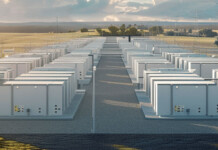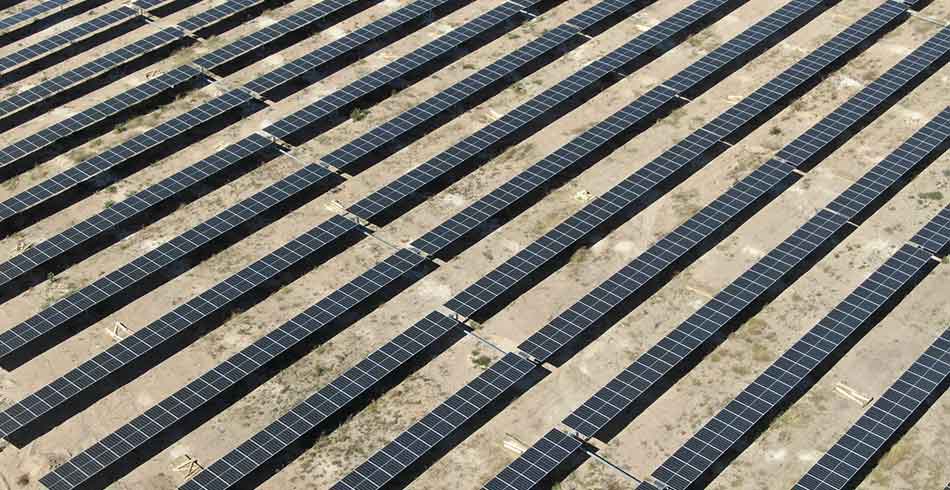
Spanish-based renewables developer X-ELIO has announced the expansion of its Blue Grass Solar Farm, located in Queensland’s Western Downs, with the addition of a 148MW Battery Energy Storage System.
The new facility will be constructed in two stages. The first stage, which is expected to reach mechanical completion by Q3 2025, will develop a 60MW BESS. The second stage will deliver another 88MW BESS and expects to reach mechanical completion by Q3 2026.
Related article: X-ELIO’s Sixteen Mile Solar Farm gets government tick
This development makes Blue Grass X-ELIO’s first hybrid solar and storage project in Australia.
Blue Grass Solar Farm boasts a capacity of 200MW and generates 420GWh of green energy annually. This project contributes significantly to the Queensland Government’s plan to generate 70% of its energy needs from renewable sources by 2032, and 80% by 2035, as outlined in the Queensland Energy and Jobs Plan.
The expansion of the solar farm with BESS technology will enhance the existing infrastructure, allowing it to deploy a grid-forming battery inverters, and transforming the plant into a hybrid power source capable of providing essential grid services.
The integration of battery systems will allow the solar farm to store excess energy generated during peak solar hours and release it when demand is high or when solar generation is lower, enabling participation in grid services and enhancing both energy reliability and grid stability. This is the result of the collaboration between X-ELIO and technology partners Ingeteam and Narada.
Related article: X-ELIO launches Blue Grass Solar Farm
X-ELIO CCO Mirko Molinari said, “Following our 60MW BESS project in the US and our entry into the German battery company ECO STOR, we are now continuing to implement our storage strategy in Australia.
“This project will support grid resiliency in Queensland and enhance our solar farm’s resilience to price volatility. We are excited about the prospects of BESS in Australia and believe its deployment greatly supports grids with high renewables penetration.”