This week, Victorian Premier Daniel Andrews and Minister for Energy Lily D’Ambrosio announced Victoria’s aim to reach a 2.6GW energy storage capacity by 2030.
Together they are pledging $157 million to support renewable energy generation and storage projects in Victoria.
“Victoria is already the renewable energy capital of Australia, and now, we’ll have the biggest energy storage targets in the country too,” Andrews said.
Related article: Queensland smashes records with renewables investment
“We’ve cut emissions by more than any other state, tripled the amount of renewable energy and created thousands of jobs. We’re not just talking about climate action—we’re getting on with it.”
In addition to environmental savings, these new targets are set to secure 12,700 jobs between 2023 and 2035.
“Our new energy storage targets will deliver up to 12,700 jobs for Victorians—but most importantly, they’ll save Victorian families money on their energy bills, and slash our state’s emissions for generations to come,” D’Ambrosio said.
These targets are all part of the Victorian Labor Government’s plan to reach a target of 50 pe cent renewable energy by 2030.
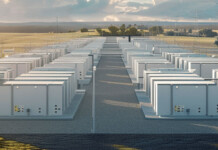
To reach these goals, the government will invest $119 million from the Renewable Energy Zone Fund (which totals $540 million) into a 125MW battery and grid-forming inverter between the Bendigo and Red Cliffs regions.
The Clean Energy Council says that the state’s new energy storage targets will help to deliver a more reliable grid as the state transitions away from costly, dirty and failing coal-fired power generation.
“[This] will be a boon for energy consumers and clean energy investors as Victoria’s renewable energy future takes shape,” Clean Energy Council CEO Kane Thornton said.
Related article: Australia and US join forces for energy transition
“The Australian Energy Market Operator has made it clear that significant amounts of new energy storage capacity is needed. By committing to delivering on big targets for energy storage, the Victorian Government is sending a critical signal that will help bring much-needed investment to the state.
“The significant jump in storage planned between 2030 and 2035 is the latest recognition that Victoria’s remaining coal generators are unlikely to last much beyond 2030. Ensuring adequate energy storage is in place ahead of those retirements is sensible planning by the Victorian Government.”