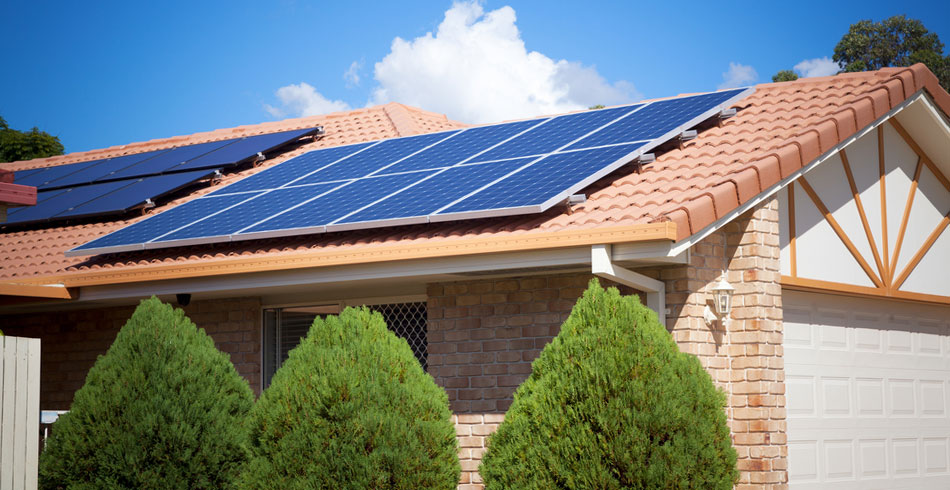
Brisbane-based Luceo Energy has teamed up with Energy Queensland, Essential Energy, GridQube and The University of Queensland to tackle one of the biggest obstacles on the road towards more Distributed Energy Resources (DER), especially rooftop solar: what level of measurement data should be acquired to allow for an accurate assessment on how much DER can be connected safely without additional network investment? What looks like a simple and straightforward question has huge implications for consumers and networks and ultimately the cost of electricity into the future.
The consortium led by Luceo Energy recently secured $2.6 million in funding from the Australian Renewable Energy Agency (ARENA) to find a data-driven solution to the question. The project, known as SHIELD (Synchronising Heterogeneous Information (to) Evaluate Limits (for) DNSPs) will demonstrate how, by using various, already existing data sources combined with the Luceo Platform and the GridQube State Estimation software system, a safe and reliable determination on available DER hosting capacity can be made. The aim is to give Distributed Network Service Providers (DNSPs) like Energy Queensland and Essential Energy the opportunity to move from static and conservative DER limitations to more accurate limitations that are based on data. Ultimately this will allow network operators to better plan or defer network upgrades to the benefit of all customers.
Related article: Enova powers on with renewable energy alliance
The SHIELD project team will use a uniquely collaborative approach to data that aims at developing and deploying a fast and effective solution for DNSPs to determine DER hosting capacity and to allow more households to connect rooftop solar.
“While everyone is looking to Smart Meters as the solution to the network data issue, the reality is, that outside of Victoria, smart meter penetration is still low, while rooftop solar is being installed at record pace. In addition, existing smart meters are often optimised for billing purposes only and getting access to smart meter data is often difficult,” Luceo Energy CEO Patrick Matweew says.
“We see a need for both smart network data and other real time data sources to ensure safe and secure operation of distribution networks with very high penetrations of DER and EVs. The Luceo platform will enable the use of disparate data sources to allow DNSPs to make data-driven decisions when it comes increasing DER capacity on their networks. This is the idea that project SHIELD was built around.”
Related article: Samsung and Q cells ink ‘zero energy home’ deal
The Luceo Energy Data Platform and the GridQube State Estimation software system sit at the core of the project. In addition, a group of specialised researchers from the Centre for Energy Data Innovation at the University of Queensland will support the two Queensland-based Smart Grid start-ups. Energy Queensland and Essential Energy complement the project team as network partners. The two DNSPs will carefully select feeders on their networks for the project team to demonstrate the solution on.
The project team will reach out to several Australian companies as part of the project to gain access to data from solutions that are already connected and in place.
“From the very beginning we have envisioned the Luceo Platform as a solution that is agnostic and open to third party collaboration. This project will demonstrate the value that can be derived from diverse data sources. We will look to talk to PV inverter manufacturers, smart home solutions vendors and a variety of other service providers as part of this project and invite them to collaborate with us,” Luceo Energy CTO Paul Liddell adds.