Gold miner Gold Fields has marked a significant milestone in the development of its landmark $296 million St Ives Renewable Energy project.
Seven concrete foundations have been poured at the project site, located 80km south of Kalgoorlie, in preparation for the arrival of the wind turbine components by September.
Related article: Pacific Energy to deploy biggest solar farm yet at St Ives mine
Each foundation contains 800 cubic metres of concrete, which was produced and poured by WA contractor Westforce. Construction of the solar farm has also progressed, with more than 50% of the solar panel frames built and the first of 66,000 solar panels arriving on site ahead of installation commencing this month.
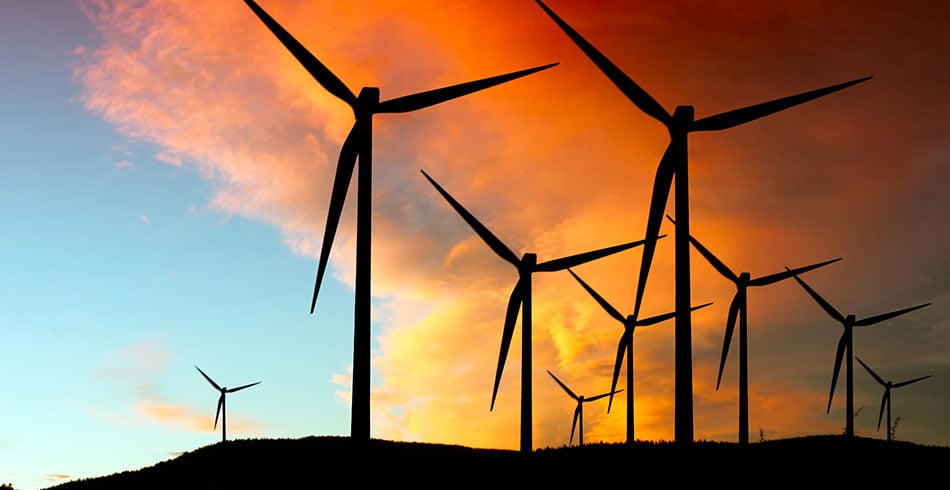
The St Ives Renewable Energy project will contain a 42MW wind farm and a 35MW solar farm spanning 2.5 square kilometres, with the solar farm being delivered in partnership with Pacific Energy. Both the wind and solar farms have been advancing on time and on budget, with construction expected to be completed in 2026.
Once operational, the renewable energy system will power more than 70% of Gold Fields’ St Ives mine, becoming Western Australia’s largest renewable energy initiative at an existing mine site.
Gold Fields principal specialist and project director Simon Schmid said, “The recent milestones achieved at the St Ives Renewable Energy project has further solidified the reality of what Gold Fields is achieving with our industry partners.
“When it’s up and running, the St Ives Renewable Energy project will be a visible representation of our commitment to making Gold Fields’ operations more sustainable.
Related article: Australia’s largest off-grid hybrid power system completed
“We believe this project is industry-leading when it comes to renewable energy use in the mining sector, and we are thrilled to see the progress that has been made as we track towards this goal.”
The St Ives Renewable Energy project will also contribute to Gold Fields’ global decarbonisation strategy, reducing the St Ives mine’s carbon emissions by 50% by 2030 from its 2016 baseline.