Farmers and regional communities are now in the driver’s seat when it comes to planning and preparing for what happens when renewable energy projects approach the end of their life.
Created by independent not-for-profit Renewable Energy Alliance (RE-Alliance), this new toolkit provides clear, factual information to help landholders, communities and local councils understand what happens when projects reach retirement age.
When a renewable energy project approaches the age of retirement, there are three possible paths forward. The first two options actually extend a project’s operational life rather than ending it completely:
- Refurbishment: Extending a project’s life by replacing worn components with newer parts.
- Repowering: Completely replacing all equipment on an existing site with newer, more efficient technology, including the potential to add storage or other technology.
- Decommissioning: Dismantling and removing all equipment from an existing property, then rehabilitating the site, as agreed with the landholder.
RE-Alliance national director Andrew Bray said the toolkit was necessary now because renewable energy had been part of Australia’s energy mix for decades.
“After nearly 40 years, some of the earliest projects are approaching retirement age, with more set to follow in the coming years. This presents an important opportunity for Australia to consider how we manage the next chapter,” he said.
“We created this toolkit because as interest in renewables continues to grow, communities and landholders want to know what happens when a project reaches retirement age.”
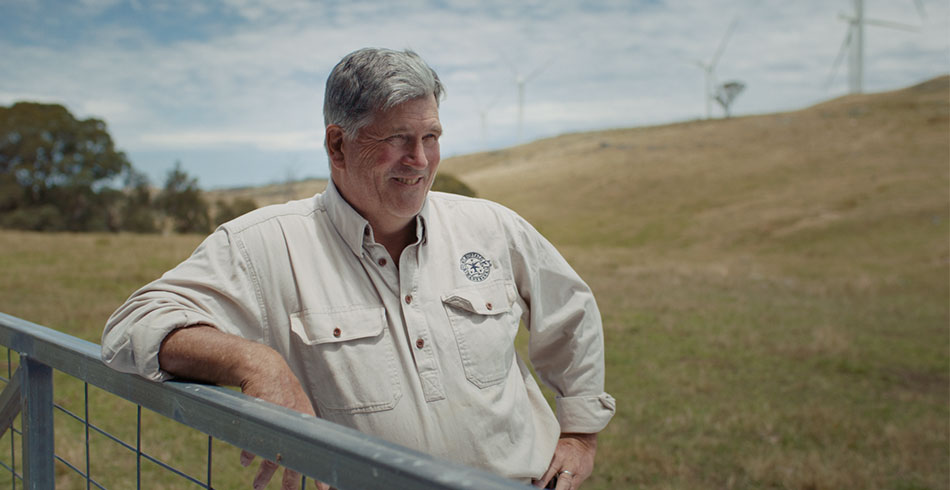
A supporter of the toolkit is Kangiara (NSW) mixed livestock, cattle and fine wool breeder, Tom Gunthorpe. Gunthorpe is host to nine wind turbines and was part of a farmer group who negotiated a decommissioning fund with the wind farm owner to cover end of project costs.
“Our decommissioning fund provides peace of mind to eliminate any financial exposure to the landholders, however it’s going to be a long time before these things will be dismantled. We’ve got infrastructure here that could last a hundred years with correct maintenance and an upgrade path,” he said.
“I strongly believe that where existing projects have been built and accepted by the community and have the surrounding infrastructure in place, lets leverage off this for the future rather than starting from scratch again.”
Fifth-generation Wimmera Southern Mallee (Victoria) farmer Craig Henderson said the toolkit was an invaluable resource for farmers thinking about hosting wind, solar or battery projects.
“We’ve got a lot of renewable energy development happening in our region and there’s confusing information flying around. As a potential wind farm host, I’d like to see this kind of thing sitting in newsagents and post offices and pubs all over the country so people can get the facts,” Henderson said.
The toolkit, titled ‘Refurbishment, repowering or retirement. What happens when renewables approach end of life?’ can be accessed here.