Researchers at UNSW Sydney have developed a nanoscale device that converts low-energy infrared and red light into higher-energy visible light, a breakthrough that could eventually improve solar panels, sensing technologies and advanced manufacturing systems.
Published in Nature Photonics, the research addresses a longstanding problem in photonics: how to stop energy from being lost before it can be used.
Related article: Study finds coal pollution affects solar power output
That mechanism allowed the device to achieve photon conversion efficiencies of 8.2%—among the strongest reported for this type of architecture.
“This work demonstrates a big step forward,” lead author UNSW researcher Dr Thilini Ishwara says.
“Achieving high efficiencies in films is difficult in these ultrathin molecular systems—good light absorption is needed and energy loss needs to be minimised.”
The work could have implications for industries looking to recover or reuse wasted infrared light.
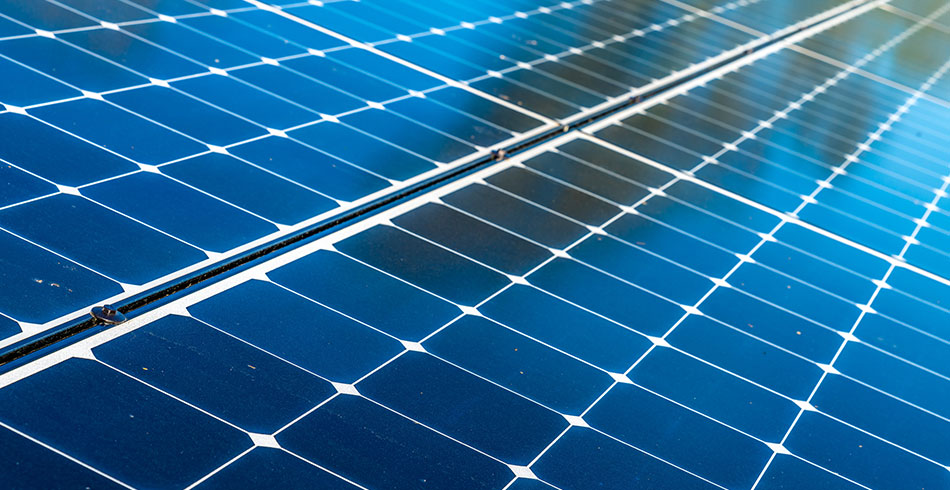
In solar energy systems, for example, large amounts of low-energy light pass straight through conventional silicon cells unused and converting some of that light into visible wavelengths could improve overall performance.
The researchers say the approach may also be relevant to infrared sensing, photocatalysis, optical communications and next-generation additive manufacturing technologies such as volumetric 3D printing.
Importantly, the system operates in a solid-state structure compatible with semiconductor-style manufacturing, making it more commercially practical than earlier liquid-based approaches.
Related article: Researchers clean up toxic solar panels for use indoors
“We are keen to commercialise our technology,” Dr Ishwara says.