Burying electricity lines to avoid extreme weather only creates new resilience risk without recognising excavation damage threat, according to Before You Dig Australia (BYDA).
BYDA is urging the Australian Energy Regulator (AER) to update its Network Resilience Guidelines to recognise the risk posed by costly excavation damage to utility infrastructure.
In a submission to the AER’s consultation on the draft guidelines, BYDA says network resilience is inseparable from the protection of underground utility assets from third party excavation damage.
Related article: Australia lags best practice on underground utility strikes
“The common goal here is reducing the risk and impact on consumers of interruptions to essential services,” BYDA CEO Mell Greenall said.
“The regulator identifies the option of ‘undergrounding’—or burying—electricity infrastructure as a resilience measure that improves reliability and safety.
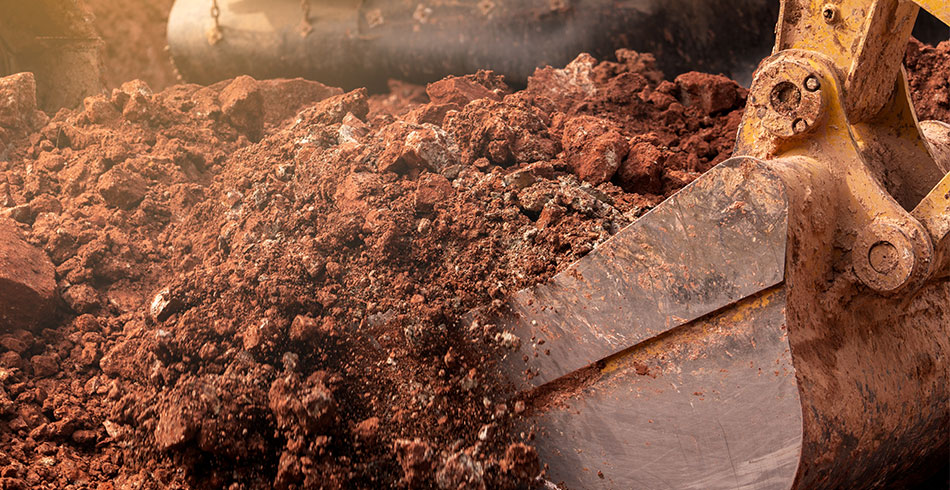
“However, every kilometre of network infrastructure placed underground to withstand storms and bushfires becomes exposed to a different, persistent and costly threat: damage from excavation and other ground-disturbing works.
“A network insulated from weather but struck by an excavator has not delivered the consumer or community outcome any resilience expenditure was approved to secure.”
Based on available data, electricity outages account for at least 12% of the more than 15,000 reported underground utility strikes that cost the economy almost $5 billion each year.
These statistics soar when telecommunication assets—as an interdependent infrastructure class—are included, with the true collective utility strikes numbers likely three times higher.
BYDA’s submission to the AER makes several recommendations addressing the definition of network resilience, the evidence base for investment, data standards and reporting, community resilience, and critical infrastructure interdependency.
“After extreme weather events, clean-up and reconstruction efforts generate surges in ground-disturbing activity, frequently undertaken at pace in areas where surface markers have been destroyed,” Greenall said.
“This includes excavation work for reinstating above ground or overhead utilities, including electricity and telco assets.
Related article: Researchers find best places to build new powerlines
“Third-party damage during recovery directly extends outage duration and undermines the restoration outcomes the AER’s framework is designed to protect.
“Essentially, excavation risk peaks precisely when network and community resilience matter most.”