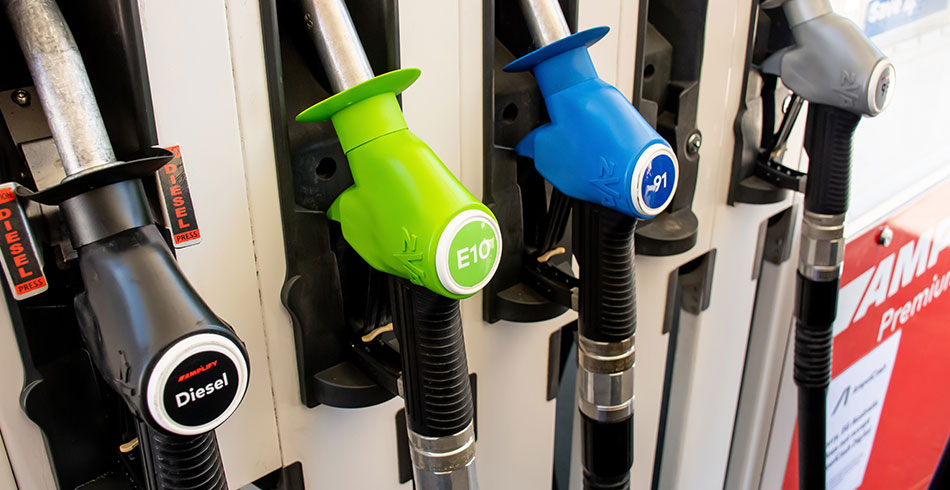
The Australian Government has bowed to public pressure amid rising fuel prices stemming from the war in the Middle East, agreeing to halve its excise on petrol and diesel for three months.
Halving the fuel excise would reduce the cost of fuel by 26.3 cents per litre at a total cost to the government of approximately $2.55 billion.
Related article: Aussies urged not to panic buy petrol amid shortage fears
The announcement is the latest in a series of fuel security measures put in place by the federal government, in addition to the release of petrol and diesel from domestic reserves and the temporary relaxation of fuel quality standards.
The average retail price per litre of petrol has risen to $2.50 while diesel has risen to more than $3 per litre in the past week, according to the Australian Petroleum Institute.
The government will also reduce the Heavy Vehicle Road User Charge to zero for three months and defer the next scheduled increase in the Heavy Vehicle Road User Charge by six months.
The government has also released a National Fuel Security Plan.
In a statement, Prime Minister Anthony Albanese said, “Australians are encouraged to use public transport wherever possible to help conserve fuel for the regions, and we welcome existing moves to cut the costs of public transport.
“The Australian Competition and Consumer Commission (ACCC) will continue to monitor fuel prices to help ensure that the lower excise rate is fully passed on at the bowser.”
Since the conflict in the Middle East began four weeks ago, the federal government has:
- Passed new laws to double penalties for petrol companies for price gouging.
- Appointed a national Fuel Supply Taskforce Coordinator and Taskforce.
- Released 20% of Australia’s petrol and diesel fuel reserves, targeted at regional areas.
- Changed fuel standards to get more fuel flowing.
- Changed diesel standards so Australia’s refineries can supply more diesel.
- Tasked the ACCC to ramp up fuel price monitoring and issue on-the-spot fines.
- Engaged with international partners to keep supply flowing, including securing a supply agreement with Singapore.
- Introduced laws to make sure companies pay truck drivers fairly when fuel prices spike.
- Introduced legislation to underwrite the purchase of fuel by the private sector.
Related article: Australia has plenty of diesel for now, but running out could upend our economy
The government said it would announce more measures to prepare the nation for supply chain challenges over coming days and weeks.