Australia’s energy ministers have agreed to work towards making plug-in solar and batteries available to all Australians, exploring pathways to support their safe deployment.
This will see Australia follow Great Britain, Germany, and many American states in allowing renters, low-income households, and those living in apartments to plug in solar and battery systems.
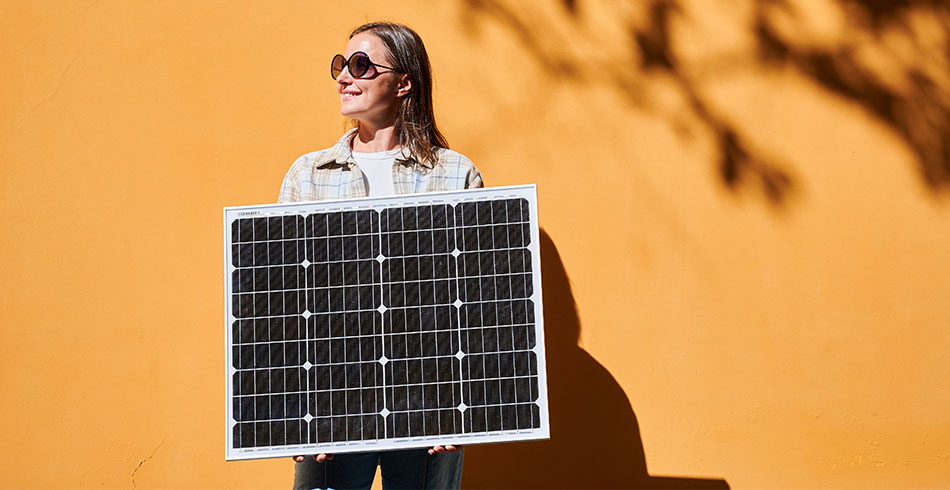
Plug-in solar refers to small solar units that can literally be plugged into power points to help offset the cost of fridges, TVs, and other appliances. They can be attached to apartment balconies or installed in backyards and can be taken by renters when they move to other residences. They do not require electricians to install the appliances.
Related article: ‘Right to plug in’ proposals target cheaper power for renters
Solar Citizens CEO Heidi Lee Douglas said the move would provide clean, cheap solar for more than a third of Australians who rent or live in apartments.
“Solar Citizens will keep working for the interests of renters, apartment dwellers and low income earners. We want to see a firm time-line and deadline by December at the next energy ministers meeting for when plug-in solar and batteries will be available for use in every state and territory,” Douglas said.
“It’s only fair that renters, apartment residents and low income households will be able to access affordable solar that’s already available to millions of people in the UK, Germany, and many American states, and will be available in New Zealand by late next year.
“Let’s get plug-in solar and batteries legal in Australia by 1 July 2027.”
Plug-in solar systems provide around 600-800W of power and would likely cost between $650-$1300. The kits include a micro-inverter, so they can be plugged into an ordinary power socket and send electricity to power appliances that are running during the day. This could save $300 to $400 a year off the household energy bill at current tariffs.
Plug-in batteries are small, portable household batteries that you can plug into a normal power outlet, rather than having an electrician permanently wire a conventional home battery into the switchboard.
While plug-in systems can currently be sold in Australia, they cannot legally be plugged in and used.
There are important safety and regulatory issues that need to be resolved, which is why Australia’s Energy Ministers should work together now to develop clear, nationally consistent rules.
Solar and battery engineer Glen Morris is director of Smart Energy Lab and a member of the Standards Australia committees that write the solar and battery installation rules.
He said, “The path to safe plug-in solar is not complicated. Germany has had over a million of these systems plugged in for years and the UK has just written the rules into its wiring regulations.
Related article: How to make the most of Solar Sharer’s free power
“We do not need to invent anything. We need a product standard so the inverter shuts down instantly when unplugged, a cap of around 800W so it cannot overload a normal power circuit, and a simple registration with the network so they know it is there. That is a job for the Energy Ministers to hand to the regulators with a deadline.”
“None of the concerns raised about plug-in solar needs new technology, they need a rule that says what is acceptable.”