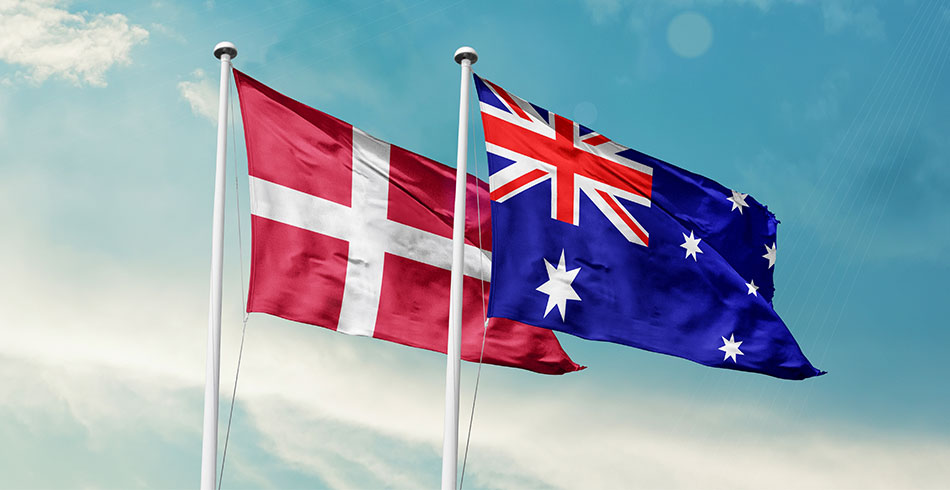
Australia and Denmark have signed a Memorandum of Understanding (MoU) at COP31 in Antalya, Türkiye, establishing a climate and energy partnership.
Australian Minister for Climate Change and Energy Chris Bowen and Denmark’s Minister for Climate, Energy and Utilities Samira Nawa signed the agreement, which will create new economic opportunities, technology development, investment, and jobs.
Related article: Danish Royal visit seals $200M NSW battery deal
The MoU followed a discussion between the ministers and Her Majesty Queen Mary of Denmark on opportunities for closer climate and energy cooperation, building upon the success of the Danish Royal Visit to Australia in March this year.
Priority areas of focus include offshore wind and renewable energy deployment, energy efficiency, industrial decarbonisation, energy storage and renewable hydrogen, all areas with strong potential for job creation.
Australia and Denmark will also collaborate on global climate action, strengthen climate resilience and adaptation, and support developing countries, particularly in the Pacific, with a focus on improving access to climate finance.
“The clean energy transition is one of the greatest economic opportunities of our time,” Minister Bowen said.
“Together, we are strengthening international energy and climate cooperation while creating new industries, new investment and secure jobs in both our countries. The partnership is about turning ambition into opportunity.
Related article: Chris Bowen to walk diplomatic tightrope at COP31
“By deepening collaboration on innovation, research and industrial decarbonisation, we can drive new investment, strengthen clean energy supply chains, boost low-emissions trade and create lasting economic benefits for Australians and Danes alike.”