SPONSORED CONTENT
Energy infrastructure projects across solar, wind, and battery energy storage systems (BESS) are scaling rapidly as Australia accelerates its transition to renewable generation. While generation technologies are advancing quickly, electrical installation complexity onsite remains a consistent challenge—particularly in remote, high-volume, and fast-deployment environments.
LAPP Australia Harnessing Solutions Division general manager Stuart Fleming says the industry is increasingly focused on reducing onsite variability and improving certainty in installation and commissioning outcomes.
“We’re seeing growing demand for pre-assembled harnessing solutions because they remove installation variability and shift critical electrical work into a controlled manufacturing environment,” Fleming says.
“That gives engineers and integrators greater certainty around timing, quality, and performance.”
LAPP Australia’s Harnessing Solutions Division designs and manufactures engineered, pre-assembled cable systems tailored to specific applications. Each solution is built to specification, fully tested prior to dispatch, and delivered in installation sequence to streamline deployment.
“We bridge the gap between cable supply and system integration. It’s about turning engineered intent into a ready-to-install solution that reduces uncertainty onsite,” Fleming explains.
Speed, certainty, and reduced site complexity
Energy projects are under pressure to deliver faster commissioning with constrained labour availability. Harnessing addresses this by moving complex wiring tasks into a controlled factory environment.
“One of the biggest benefits is speed to deployment,” Fleming says.
“When wiring complexity is removed from site, installation and commissioning can be completed faster.”
Installers receive labelled, sequenced harnesses designed for direct installation, reducing interpretation errors and on-site handling. This simplifies workflow and reduces reliance on specialist labour in remote locations.
“Key benefits include application-specific cable selection (UV-resistant, high-flex, outdoor-rated), plug-and-play installation, factory testing prior to dispatch, kitted and sequenced deliveries, reduced site handling, and lower commissioning risk through pre-validated assemblies,” Fleming says.
Benefits to energy infrastructure include:
- Solar – often involving large-scale, distributed electrical systems in remote environments. Key benefits are durable outdoor-rated assemblies, reduced onsite electrical labour, plug-and-play installation, factory testing, fewer return visits to remote sites, and consistent installation quality across large solar farms.
- Wind – often involving difficult access, vibration, and environmental exposure. Key benefits are reduced installation time in nacelles and towers, factory-tested assemblies, improved consistency between turbines, reduced field rework, clearer part identification, and lower risk of service visits.
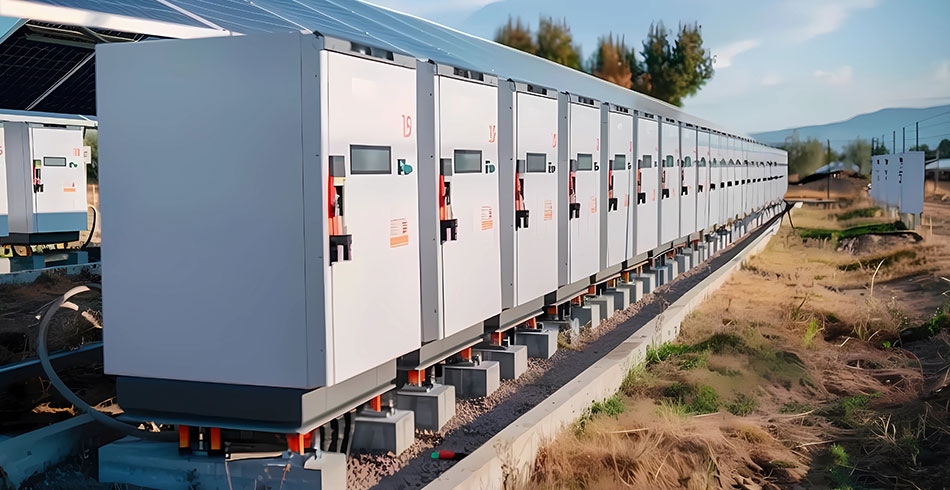
- BESS – often involving modular wiring across battery racks and containers. Key benefits are controlled assembly and testing, full documentation and traceability, reduced risk of incorrect connections, faster modular installation, consistent rack builds, clear labelling for maintenance, and reduced commissioning issues.
Reducing commissioning risk
Across all energy applications, commissioning delays often stem from wiring errors, inconsistent labelling, or on-site complexity. Pre-assembled harnessing shifts quality assurance upstream, ensuring assemblies are tested before dispatch.
“In energy infrastructure, certainty from day one is critical. Harnessing removes avoidable complexity, so systems perform as intended from installation onward,” Fleming says.
“As renewable energy projects scale, pre-assembled cable systems are a practical way to improve installation certainty, reduce risk, and support faster deployment across solar, wind, and BESS infrastructure.”
For more information visit the company’s website.