Australia Post has launched its 2030 Sustainability Framework, setting new targets to reduce carbon emissions and keep resources in use across its fleet, properties and operations over the next five years.
Having already achieved a 20% emissions reduction and a 39% reduction in waste to landfill from FY19, Australia Post’s new 2030 Framework sharpens its focus on reducing the more challenging carbon emissions in its transport network, while accelerating its approach to circularity, as it strives toward targeting Net Zero emissions by 2050.
Related article: Australia Post inks electric truck and renewable diesel deal
Under the 2030 plan, Australia Post has committed to four key targets:
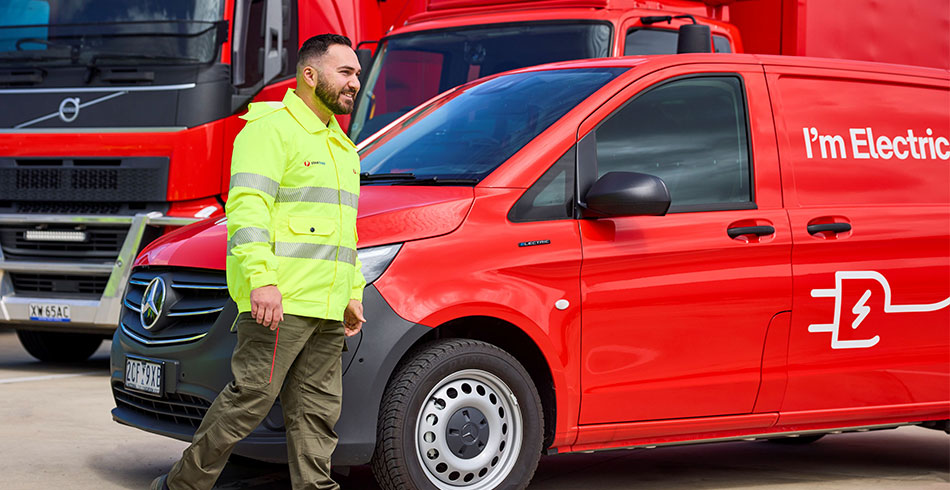
- Additional 8% reduction in Scope 1 emissions by 2030 (from a 2025 baseline), driven by further electrification of its fleet, expanded rollout of electric delivery vehicles, electric trucks and increased use of low-carbon liquid fuels.
- Increasing installed onsite solar capacity from 14MW to 30MW by 2030.
- Maintaining 100% renewable-matched electricity, while reducing the proportion of grid energy consumption at operational sites.
- Maintain Scope 3 emissions at 2025 levels through to 2030. While parcel volumes are expected to increase during this period, this will be achieved by working with air freight partners, contractors and suppliers to reduce their transport carbon emissions.
Recognising that transport is the largest contributor to its carbon footprint, Australia Post will prioritise lower-emissions vehicles, renewable energy integration and route optimisation across its national network.
Australia Post Chief Sustainability Officer, Richard Pittard said, “This is about upgrading Australia Post for the future. We’re moving beyond incremental improvements to focus on the structural changes that will have the greatest impact, particularly across transport, energy and resource use.
Related article: Australia Post hits 100% renewables at operational sites
“Reducing emissions in a network as large and complex as ours is not simple. It requires electrification, low-carbon fuels, renewable energy and smarter logistics but just as importantly, it requires partnership across our supply chain.
“We’re also rethinking how we use materials. By embedding circular principles into how we operate, using less, using longer and using again we can reduce waste within our business and explore how our national network can help Australians do the same,” Pittard said.